
Emergency Drain Cleaning in Mount Laurel, NJ
A backed-up drain does not wait for business hours, and neither does our dispatcher. Call the 24/7 line and a licensed plumber will work out whether it is a single fixture or the main line.
Drain cleaning starts with finding where the clog lives
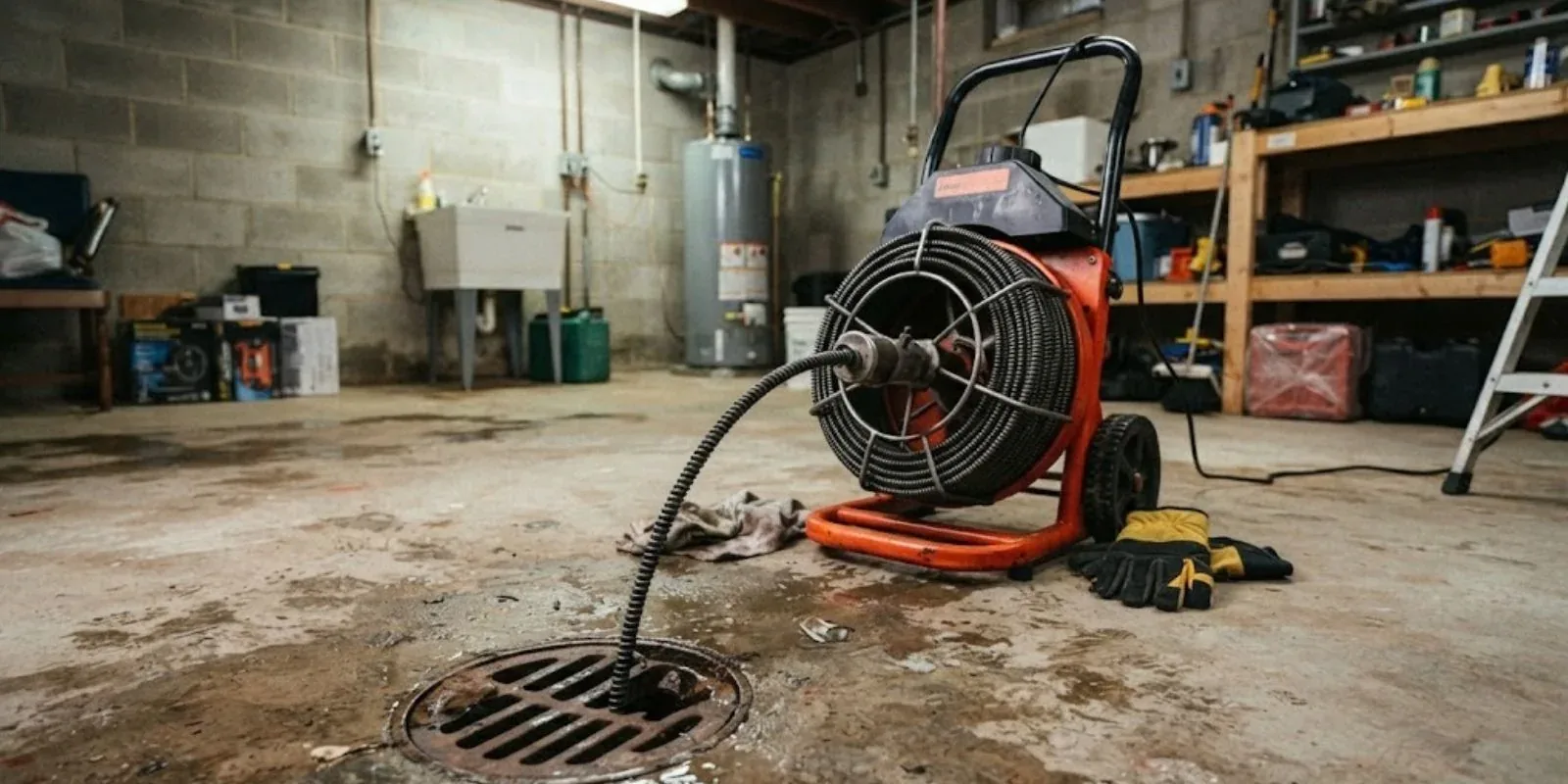
Drain cleaning is the removal of a blockage from the pipes that carry wastewater out of your house, using a cable machine, a water jetter or a hand tool matched to the pipe. A backed-up drain at 2 a.m. feels like a crisis, and the 24/7 line is staffed nights, weekends and holidays. While you wait for the plumber, stop running water, keep the affected fixtures closed off and read the first-steps list below.
The most useful thing to know is how far the clog sits from the fixture. A blockage in one sink trap is a ten minute job. A blockage in the line that serves a whole bathroom group, or in the main line that leaves the house, needs different gear and a different plan.
Which drain is blocked tells you how big the job is
Use what the house is doing right now to guess whether the trouble is local or deep.
- One sink or tub drains slowly while every other fixture is fine, which points to a clog in that fixture's own trap or short arm.
- A toilet gurgles when the shower runs upstairs, which suggests a shared branch line is partly blocked.
- The washing machine drains and water appears in a floor drain or tub, which usually means the branch to the main is restricted.
- Several fixtures back up at once, the lowest drain in the house first, which is the classic main line pattern.
- A sewer smell comes up from a floor drain or shower with no visible water problem, which can mean a dry trap or a partial blockage.
- The same drain clogs again within a few weeks of being cleared, which is a reason to put a camera in the line.
If more than one fixture is affected, treat it as a branch or main line problem and call instead of fighting it with a plunger.
Water rising in a tub or floor drain? Call the 24/7 line before it reaches the carpet.
Call (609) 547-1417What a homeowner can safely try before the call
Some clogs are yours to fix in ten minutes. These steps are in the order that does the least harm.
- Stop the water. Turn off the faucet, hold the dishwasher and washer, and ask everyone to skip flushing until you know the scope.
- Check the other fixtures. Run a different sink and flush a toilet once. If they behave, the clog is local to the first fixture.
- Use a plunger the right way. A flat cup plunger suits sinks and tubs, and a flange plunger suits toilets. Seal fully and push slowly before pulling.
- Clear the visible junk. Lift the stopper, pull out hair and soap film, and clean the strainer. A small hand drain tool works for tubs.
- Stop at the first sign of a bigger problem. If water rises in a second fixture or the toilet bubbles, stop and call. Pushing more water in only moves the problem to your floor.
Cable machine, jetter or camera for your clog
A good plumber picks the tool from the symptom, not from habit. This is how the three usually compare.
| Tool | Best for | Trade-off |
|---|---|---|
| Hand auger or drum cable. | Single fixtures, trap clogs, hair and soap in tubs. | Limited reach and not meant for a line full of roots or grease. |
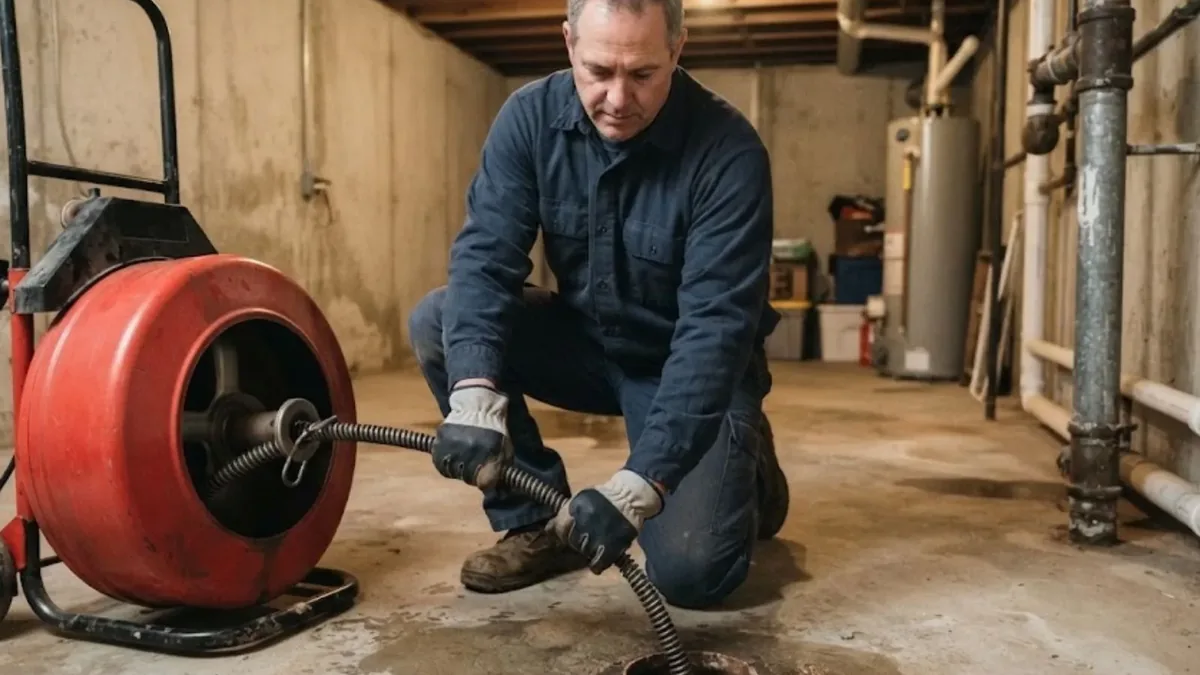
| Cable machine with cutter heads. | Branch lines and the main, soft roots, stubborn paper clogs. | Cuts a channel but may leave grease walls, so a clog can return. |
| Water jetter. | Grease, scale, sludge and repeat clogs, washing the pipe wall clean. | Wrong tool for a collapsed or badly cracked old pipe, see hydro jetting. |
| Drain camera. | Clogs that repeat, unknown pipe condition, locating the blockage. | Cannot see through standing water or a fully packed line until it is cleared. |
Many calls start with a cable to restore flow, then end with a camera look so you know whether it will happen again.
Branch lines, the main line and why the difference costs you
A branch line is the pipe that collects a few fixtures, such as the bathroom group on the second floor or the kitchen sink and dishwasher. The main line is the large pipe that gathers every branch and carries it out to the street or to the lateral. A clog in a branch affects those fixtures only, while a main line clog sends everything toward the lowest opening in the house.
That lowest opening is often a basement floor drain, a laundry tub or a shower on the first floor. If you see water rise there while upstairs sinks still drain slowly, the problem is probably past the point where the branches join. For that kind of blockage, our sewer line cleaning service uses a heavier machine and reaches farther than a drain cable does.
Grease in the kitchen, hair in the bath
Kitchen drains clog from fat that cools and clings to the pipe wall, usually with coffee grounds, rice and food scraps stuck in it. Hot water does not cure that, because the grease melts, travels a few feet and sets again in a cooler part of the line. If the garbage disposal is involved, check the disposal itself, since a jammed unit can look like a drain clog.
Bathroom drains fail differently. Hair wraps around the pop up stopper or the tub's drain strainer and mixes with soap scum into a plug. A cheap strainer and a monthly pull-and-clean prevent most of those calls.
Do not pour acid or chemical openers down a bad drain
Store-bought acid and lye openers can sit in a standing clog for hours, heating the pipe and softening PVC joints. They also put a caustic pool in front of the plumber, who then has to work around it with gloves and eye protection. If you already poured one in, tell the dispatcher on the call so the plumber knows what is in the pipe.
Never mix products, and keep the room ventilated. A plunger, a hand tool and a call are all safer than a second bottle.
Cast iron, PVC and the drain lines inside older township homes
Most of the township's housing was built after the mid 1960s, so the drain lines inside many homes are older cast iron or later PVC and ABS. Cast iron roughens and scales inside with age, which catches grease and paper earlier, so an older house may need its branch lines cleaned more often than a newer one.
The public sewer has had its own bad days. Reports document a sewer main break in the Ramblewood section in January 2016, and a force main leak on Hartford Road in May 2016 when sewer customers were asked to limit water use. When a municipal main is stressed, your lowest drain is where trouble shows first. Know where your cleanout is, report any backup to the Mount Laurel MUA, and call us if the blockage is on your side.
Sewage or wastewater coming up through a floor drain or tub
When wastewater rises in a tub or floor drain, treat it as contaminated water. Our 24/7 line is open nights, weekends and holidays, and the dispatcher can send a plumber as soon as one is free. These steps limit the mess until help arrives.
- Stop adding water. No flushing, no laundry, no dishwasher, and shorten showers to none until it is cleared.
- Keep people and pets away from the water. Wear rubber gloves and boots if you must step in, and keep children out of the room.
- Open a window and cut power to wet outlets. Fresh air helps with odor. If water is near outlets or appliances, shut off the breaker for that area from a dry spot.
- Find the cleanout. Look for a capped pipe in the basement, crawl space or yard. Do not open it yourself while the line is full.
- Report a municipal problem. If neighbors also have backups, tell the Mount Laurel MUA, since a main in the street may be the cause.
Photograph the water level and affected rooms before you clean, which helps if you later speak with your insurance agent.
What moves the price of clearing a drain
Two clogs that look the same from the sink can be very different jobs behind the wall. The plumber will not know the real scope until the cable meets the blockage. We tell you the price before work starts, and that price depends on a handful of known things.
- Where the clog sits. A trap or a short arm is quick, while a branch or main line takes more time and heavier equipment.
- Tool needed. A hand auger is the lightest option, a cable machine with cutters is more, and a jetter or camera adds setup time.
- Access. A visible cleanout makes the job simple, while a line with no cleanout may need a fixture pulled, like a toilet.
- Cause and repeat history. Roots, grease buildup or a damaged pipe change the plan, and a repeat clog may justify a camera look.
- Timing. After-hours and holiday calls are priced differently from planned daytime visits.
Insurance treats this unevenly. Check your insurance before assuming a backup is covered, because some policies exclude sewer backup unless an add-on is attached.
A clog is rarely a flat-rate problem. Call (609) 547-1417 and describe which drains are slow, and the plumber will give the price before starting.
When a clog keeps coming back
A drain that clogs every month or two is telling you something the cable alone cannot fix. The common reasons are a belly where water sits and drops solids, tree roots in a joint, scale on old cast iron, or a pipe that has slipped out of line. Sending a camera down the pipe shows which one it is, and the footage makes the repair choice clear.
If the camera finds grease and scale only, a cleaning with a jetter may reset the pipe. If it finds a crack or a displaced joint, a repair is the honest answer, and our sewer line repair page explains those options. For planned looks at the pipe, such as before a home purchase, see sewer camera inspection.
Slow drains with other symptoms are not always a clog
Water that backs up only when the washing machine drains points to the standpipe or the washer branch. Gurgling in a toilet when a tub drains is a vent or partial blockage clue. A slow floor drain in a basement with a sump pit nearby can also reflect groundwater, and a failing pump is a different repair, covered under sump pump repair.
If you see a wet wall or ceiling near a drain, the pipe may be leaking rather than clogged. Our leak detection work finds those, and a plumber on a drain call will check for it. For help in nearby towns, our Moorestown page lists coverage.
Keeping the line clear after the visit
Wipe pans before washing and put cooking fat in a can for the trash. Use a hair catcher in every shower and tub, and flush only toilet paper. Wipes marked flushable still pile up in bends, and they are a leading reason branch lines need clearing.
If the plumber recommends a camera or a jetter, ask to see the footage and what it showed. A clear explanation of what the pipe looked like is part of a good visit, and it lets you decide on next steps without pressure.
Drain clog questions homeowners ask us
Yes. The 24/7 line is staffed by a dispatcher through nights, weekends and holidays, and a licensed plumber is sent as soon as one is available. Call (609) 547-1417 and tell the dispatcher which fixtures are backing up.
Check other fixtures. If only one sink or tub is slow, the clog is local. If several back up together or the lowest drain in the house gurgles or rises, the main line is likely involved and main line cleaning with a heavier machine is the right service.
It depends on the clog. A cable is quick for a soft blockage or roots, while a jetter cleans grease and scale off the pipe wall. Jetting is not suited to every old pipe, so the plumber decides after seeing the line.
We advise against acid and lye products, especially in a drain that is already full. They can damage pipe joints and endanger whoever works on the line next. Try a plunger, clean the strainer and call if it does not clear.
A repeat clog usually means a cause the cable did not fix, such as grease on the wall, roots, a belly or a damaged joint. A camera look shows which, and the answer guides whether to jet, repair or just clean on a schedule.
Yes, we serve Mount Laurel and nearby towns, including Cherry Hill and Moorestown. Ask the dispatcher if your address is in range. If cleaning leads to a pipe replacement, that work falls under the National Standard Plumbing Code that New Jersey adopts, and the Mount Laurel construction office can tell you whether a permit applies.