
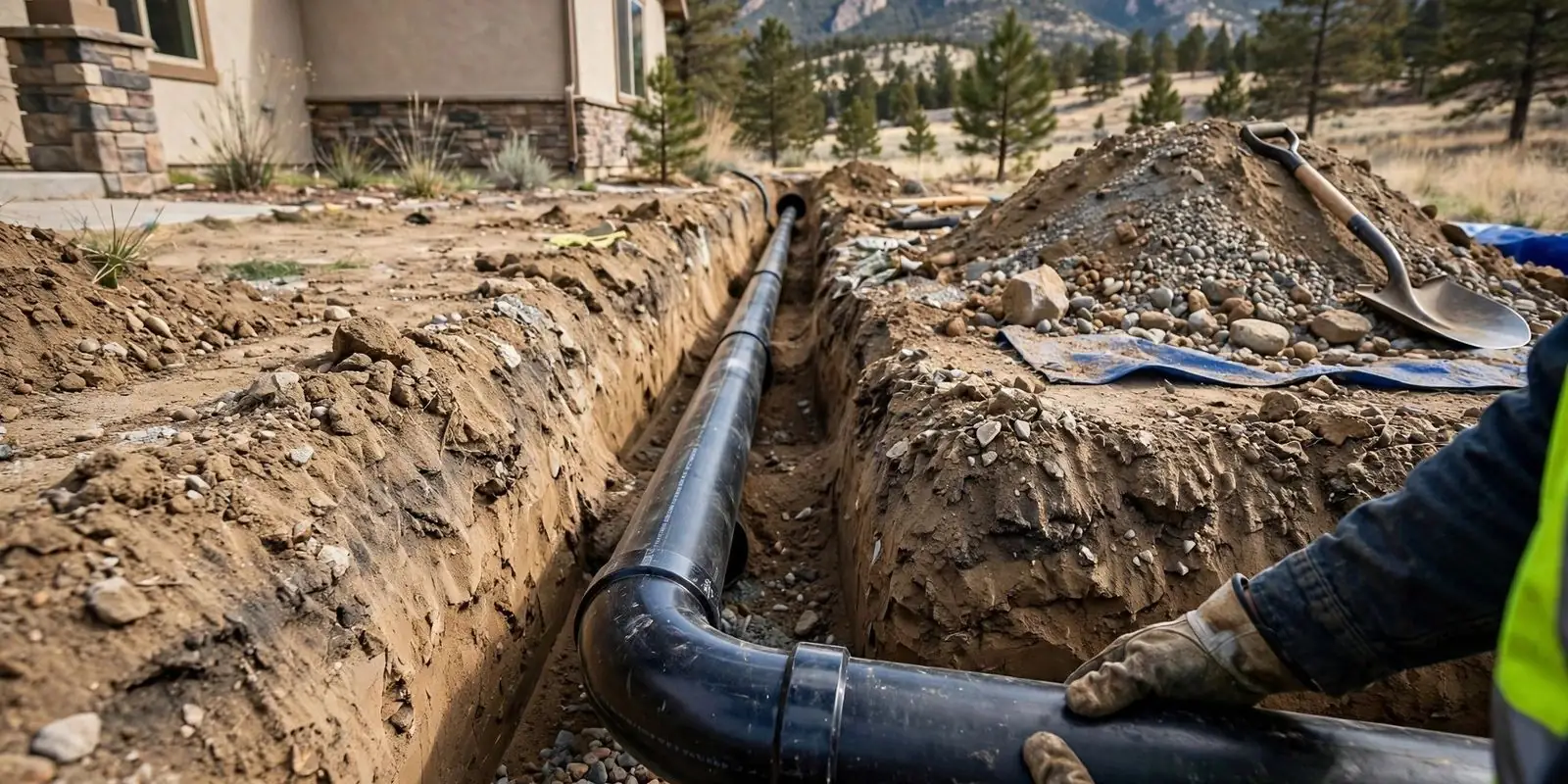
Emergency Sewer Line Repair in Mount Laurel, NJ
A sewer line that keeps backing up is often a broken pipe, and a cable only treats the symptom. Our licensed plumbers find the damage with a camera and explain the repair choices before work starts.
Sewer line repair begins where cleaning stops
Sewer line repair is the fixing or replacing of the buried pipe that carries wastewater from the house to the public main, after a camera shows the pipe itself is damaged. Clearing a clog is not a repair, and a pipe with a crack or a sag will clog again. If sewage is rising now, stop water use and call the 24/7 line, answered nights, weekends and holidays, while you read the steps further down.
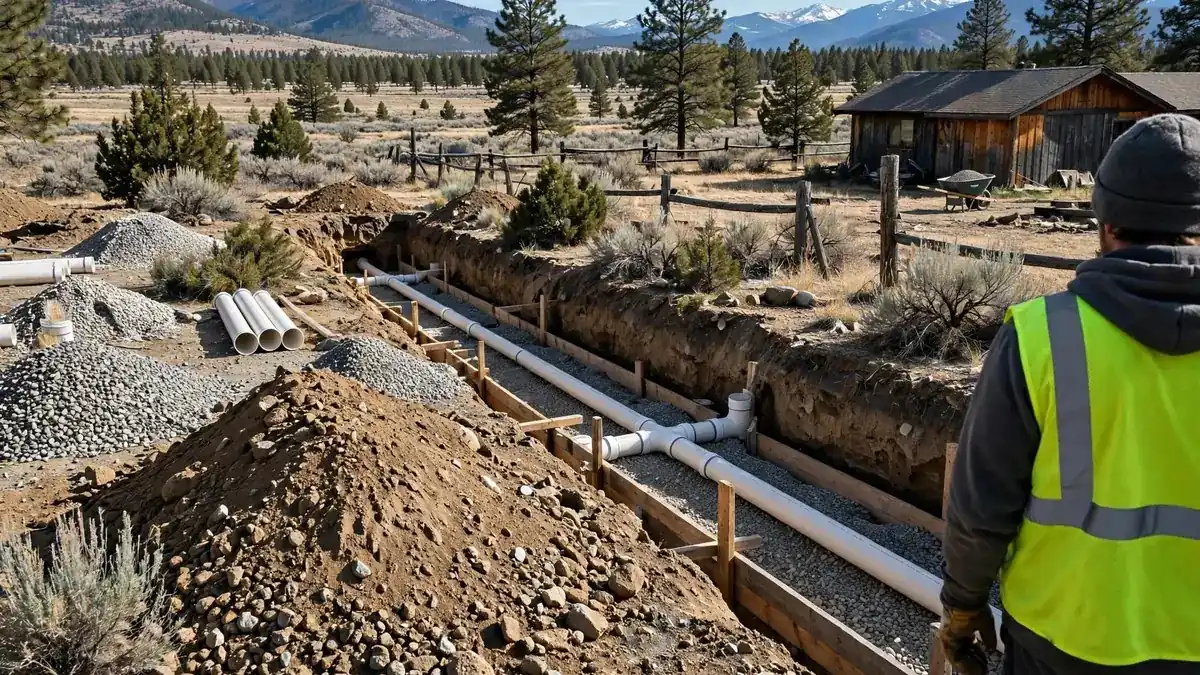
Spot repair, lining or a new pipe in the trench
The right repair depends on what the camera finds. This is how the three main routes compare.
| Method | Best for | Honest trade-off |
|---|---|---|
| Spot repair by digging. | One cracked joint, a short broken section or a single offset. | Digs a small area, and does nothing for the rest of an aging pipe. |
| Pipe lining. | Long cracked or root-prone runs with the shape mostly intact. | Cannot fix a bad belly, a collapse or a badly shifted joint. |
| Open-trench replacement. | Collapsed, crushed or heavily bellied pipe. | Most disruptive to lawn, driveway and landscaping, and it often ends the problem for good. |
| Cleaning only, no repair. | Light damage on a pipe near the end of its life. | Buys time, but the backup will return. |
We say when a small repair is enough, because replacing a whole line you do not need is not a good use of your money.
Backups keep returning after cleaning? Call and ask for a camera look at the pipe.
Call (609) 547-1417Signs the pipe itself has failed
- Backups return within weeks or a few months after cleaning, even though the plumber removed a full plug.
- A damp or sunken strip of lawn runs between the house and the street with no rain.
- Sewer gas smells outside near the foundation or in the basement.
- The camera showed roots entering at joints, cracks along the pipe or standing water in a low spot.
- A toilet gurgles and the lowest drain in the house bubbles when you run a tub.
- A neighbor or a prior owner mentioned old clay or fiber pipe on the lateral.
- Home inspection notes flagged an unknown or questionable sewer lateral.
How a sewer line ends up cracked, bellied or offset
Clay pipe is made in short sections with joints every few feet, and each joint is a place roots can enter. Cast iron rusts and flakes from the inside. PVC and ABS hold up better, but a poorly bedded section can settle and leave a belly where water sits and solids drop out.
An offset joint is where two pieces have drifted apart or shifted sideways, often from soil movement or heavy loads over the line. Even a small offset snags paper and invites roots. The camera shows which of these you have and how many places need work.
What Mount Laurel's building era means for your lateral
Housing age and the sewer line
Most of the township's housing was built after the mid 1960s, so many sewer laterals are decades old rather than a century old. A lateral that has been in the ground for decades is more likely to have loosened joints or roots, so a camera look is wise before assuming a clog.
The public system has had its own failures, including a sewer main break in the Ramblewood section in January 2016 and a force main leak on Hartford Road in May 2016. A municipal failure and a private lateral failure can look the same at your lowest drain. The camera and your cleanout help separate them, and the Mount Laurel MUA can tell you about the main.
From the first look to a repaired pipe
- Clear the line enough to inspect it. A cable pass opens a path. See sewer line cleaning for how a heavy machine does that.
- Run the camera. The video shows cracks, roots, offsets and bellies, and a locator at the surface marks where each sits and how deep.
- Compare the choices. The plumber explains spot repair, lining and replacement, based on length, depth and what is above the pipe.
- Mark utilities and plan access. Call 811 before digging. Ask what the job involves and who handles the paperwork.
- Repair and verify. After the work, the line is run with water and checked again by camera, so you see the finished pipe.
Call 811 before anyone digs
Call 811 before digging so that buried gas, electric and water lines are marked. Do not dig a trench or use a rented machine on your own just because you suspect a break. A hit on a utility line is a danger to you and a costly problem.
Permit rules vary, so ask the Mount Laurel construction office whether your repair, lining or replacement needs a permit and an inspection. New Jersey adopts the National Standard Plumbing Code, and the plumber works to it.
Who owns which part of the pipe
The lateral is the pipe from your house to the public main. In most places the homeowner owns the lateral up to the main, while the utility owns the main itself. Rules differ by address and by what connects where, so confirm with the Mount Laurel MUA before you plan a repair. We do not decide ownership, and a plumber who tells you flatly without checking is guessing.
This matters for cost and for who you call. If the camera shows the break is in the street portion, the MUA is the contact. If it is on your property, we can scope and repair it, and the camera video is a record you can show the MUA.
Sewage backing into the house from a broken line
A broken lateral can back up a home even if you have never had a clog. Our 24/7 line is open nights, weekends and holidays. Do these things until the plumber arrives.
- Hold all water use. No laundry, no flushing, no shower, and turn off the dishwasher.
- Protect people and pets. Keep everyone out of the wet area and wear boots and gloves if you must enter.
- Shut power in wet rooms. If a panel, furnace or outlets are in the water, cut that circuit from a dry location.
- Note what you see. Photograph the backup and write when it started, since the plumber and your insurer will ask.
- Do not dig. Wait for the camera, the 811 mark-out and a plan, because a wrong hole costs more than it helps.
What drives the cost of a sewer repair
No one can honestly quote a lateral repair before the camera has seen the pipe. These are the factors that decide the range.
- Length and depth. Short and shallow is far less work than a long, deep run under a driveway.
- Method chosen. Spot repair, lining and trench replacement differ in equipment, labor and restoration.
- What sits above the pipe. Lawn is easier to restore than concrete, patios and landscaping.
- Number of defects. One broken joint is a small job, and a pipe with many offsets or roots may be better replaced.
- Permits and inspection. Rules vary, and any required fees and inspection time affect the schedule.
Insurance is uneven here. Wear is the usual cause of a failed lateral, and insurance policies often treat wear differently from sudden damage, so ask your agent before assuming. Some owners carry a service line add-on.
Call (609) 547-1417 to start with a camera visit. After the camera visit the plumber gives you the price before work starts.
When damaged pipe meets other plumbing problems
A soaked basement wall may be coming from a sewer leak, but it can just as easily come from groundwater, and the fix then is closer to basement waterproofing. A damp strip in the yard can also come from a burst or leaking supply pipe instead of the sewer.
A repaired sewer is a good time to ask about other aging lines. Houses with failing drain stacks may also be due for repiping, and a new bathroom or kitchen needs plumbing installation work tied into a sound lateral. We also serve nearby towns, including Mount Holly.
Questions to ask any plumber about a sewer quote
Ask to see the camera video, the location of the damage and the depth. Ask which repair methods fit the pipe and why the others do not. Ask what the restoration will include, who handles the 811 call and the permit question, and whether a final camera pass comes with the work. If the answers are vague, get the scope in writing before you agree.
Sewer repair questions we get from homeowners
Yes. The 24/7 line is staffed nights, weekends and holidays, and a licensed plumber is sent when one is available. The first visit usually clears the backup and looks at the pipe, with repair options explained after.
The homeowner usually owns the lateral from the house to the main. Confirm with the Mount Laurel MUA, since ownership can vary by address, and tell the plumber what they say.
Permit rules vary, so ask the Mount Laurel construction office. Dig repairs and replacements are more likely to need one than a cleaning, but the office decides.
Lining works well on a pipe that is cracked or root-prone but still straight and round. It does not fix a collapse or a bad belly, so the camera result decides.
The mark-out locates buried gas, electric and water lines before a shovel or machine goes in. It is required in New Jersey and the plumber coordinates it, but you should know the call is made.
Yes. A camera run through the cleanout shows the lateral's condition before closing, which is covered under sewer camera inspection.