
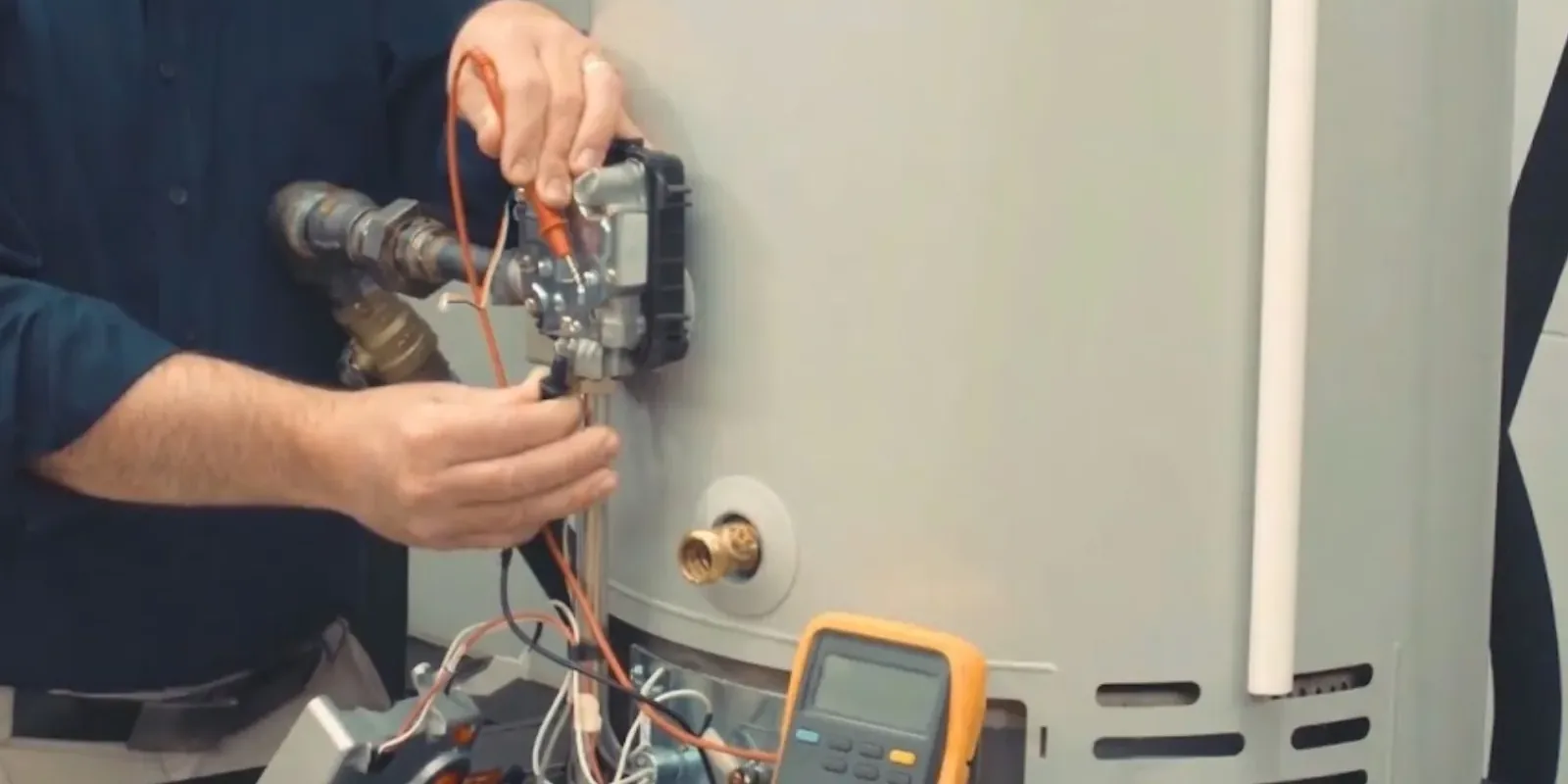
Emergency Water Heater Repair in Mount Laurel, NJ
Cold showers, a pilot that will not stay lit, or a tank that ticks and hisses. A licensed plumber finds the failed part and tells you honestly whether it is worth fixing.
Hot water gone cold, and what repair can actually fix
Water heater repair is the diagnosis and replacement of the parts that make or control the heat, such as the thermocouple, igniter, heating elements, thermostats and valves. If you have no hot water at all, the call is urgent, and the 24/7 line is answered by a dispatcher nights, weekends and holidays. Same-day appointments are available when a plumber is free.
Before you call, check that the breaker has not tripped on an electric unit and that the gas control is set to pilot or on. Those two checks solve more no-heat calls than people expect, and the dispatcher can walk you through them.
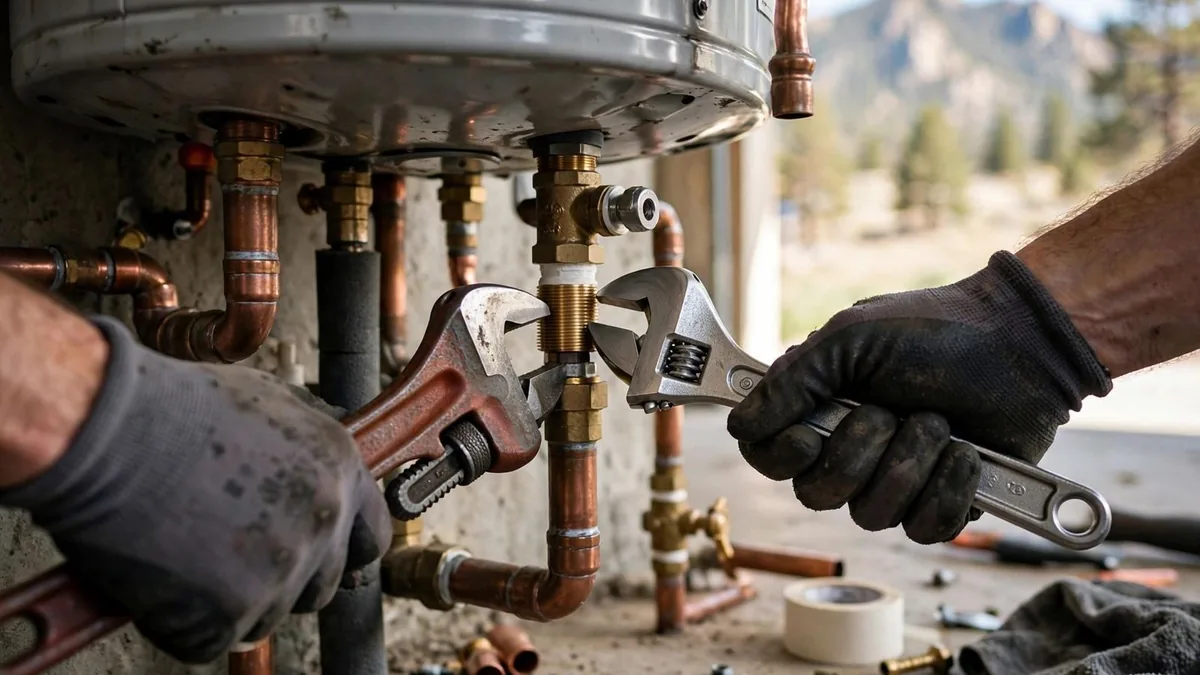
Fix it or replace it, by symptom and age
Age matters as much as the fault. A part that costs little on a young tank can be wasted money on one that is near the end of its life.
| Symptom | Younger tank | Tank past about ten years |
|---|---|---|
| Pilot out or will not stay lit. | Thermocouple or gas control repair makes sense. | Repair is fine if the tank is dry, but weigh a swap. |
| Electric unit gives lukewarm water. | Replace a failed element or thermostat. | Heavy scale may mean replacing the tank. |
| Pooling water under the tank. | Check fittings and relief valve first. | Almost always the tank itself, so replace. |
| Rumbling and popping noises. | Flush out the sediment. | Flushing may help briefly, plan for a new unit. |
| Rusty or smelly hot water. | Anode rod swap can help. | Rust inside the tank means replacement. |
If the answer lands in the replace column, water heater replacement explains how the swap goes and how same-day jobs work.
Reading the symptoms before the plumber arrives
These clues help the dispatcher send the right parts.
- No hot water anywhere, and the gas burner at the bottom of the tank is dark.
- A small blue flame that flickers and dies when you release the pilot button.
- An electric tank that heats for a short time and then runs out fast.
- Water that is hot but barely warm at the tap, or swings between hot and cold.
- A clicking sound with no flame when the unit tries to light.
- Popping or rumbling from the tank, which points to sediment on the bottom.
- A puddle, rust streak or wet insulation around the base or the pipes above.
No hot water or a pilot that will not stay lit? Call the 24/7 line now.
Call (609) 547-1417Gas units, pilot lights and thermocouples
A standing pilot flame heats a thermocouple or thermopile, a small sensor that tells the gas valve a flame is present. If the sensor goes weak or the pilot tube clogs with dust, the valve shuts the gas off by design. That is why a pilot that lights while you hold the button and dies when you let go is almost always a sensor or a dirty orifice.
Newer gas heaters light with an electronic igniter instead of a pilot. A cracked or worn igniter clicks without catching, and a flame sensor coated with soot can shut the burner down mid cycle. The plumber cleans, tests and replaces the part that has failed, then runs a combustion check to confirm the unit is venting properly.
If you smell gas, stop
A rotten egg smell near the heater means leave the building, call 911 and the gas utility from outside, and then call us. Do not relight the pilot, flip switches or use a phone inside. We never promise a gas response time because the utility must clear the area first.
Electric units, elements and thermostats
Most electric tanks carry two heating elements, one high and one low, each with its own thermostat. If only the upper element fails, you get a short burst of hot water that runs out quickly. If the lower element fails, the tank heats a small amount and never catches up with demand.
The plumber turns off the breaker, tests the elements for continuity with a meter and checks the thermostats and the high limit reset button. A failed element is a modest repair, and a tripped high limit usually points to a thermostat that needs replacing.
Why Mount Laurel water shortens element and burner life
The township's water quality summary lists 63 to 138 ppm across the supplies it names. The MUA and New Jersey American Water sit near 80 to 100 ppm. That is moderately hard to hard at the high end, so scale is a fair suspect in an older tank. That hardness leaves a crust on submerged electric elements and a bed of sediment on the bottom of a gas tank. The crust insulates the element until it overheats and burns out.
A tank in the 10 to 15 year range has usually lived with a lot of scale, which is why sediment noise and slow recovery turn up so often. A plumber may recommend flushing the tank on a schedule, and if the element fails again soon after a repair, the scale buildup tells you the tank is near the end of its life.
Leaking tank versus leaking fittings
Where the water comes from decides everything.
Tank body or seam
Water seeping from the metal shell or the bottom means the lining has failed. A tank leak cannot be repaired and must be replaced.
Supply or outlet fittings
Drips at the pipe connections on top can often be fixed with new connectors or a tightened union.
Relief valve or pipe
A dripping relief valve may be a worn valve, high pressure or thermal expansion. The valve is cheap to replace but the cause needs finding.
Drain valve
A slow drip at the bottom valve is often a worn washer or a cap, and it can be swapped without replacing the tank.
No hot water at all and a household waiting
Cold water on a winter morning or after a long day is more than an inconvenience. Call the 24/7 line, and a plumber will diagnose the unit and tell you whether repair or replacement gets you hot water fastest.
- Check the power. Look at the breaker for an electric unit, and reset it once. If it trips again, leave it off.
- Check the gas control. Make sure the knob is on and that other gas appliances work. If none do, the problem may be upstream.
- Look for water. Wet floors mean closing the cold valve on top of the tank before anything else.
- Skip the DIY relight on a failing unit. If the pilot will not stay lit after one attempt following the label, stop and call.
- Boil water for essentials. A kettle or stove pot covers dishes and a quick wash until the plumber arrives.
If water is escaping from the supply lines rather than the tank, that is a pipe problem and not a heater one. See burst pipe repair for what to do.
What decides the cost of a heater repair
A repair visit can be small or substantial depending on the part and the tank behind it.
- The failed part. A thermostat or an element is a different job from a gas control valve.
- Gas or electric. Gas jobs add combustion and venting checks, electric ones add meter testing.
- Unit age and model. Older or discontinued models can be harder to source parts for.
- Access to the unit. A heater in an attic or a tight closet takes longer to work on than one in an open garage.
- Scale and sediment. A tank full of sediment may need flushing as part of the repair.
If a failed tank floods the floor, insurance may cover the water damage but not the heater itself, so ask your agent before the wet material is thrown out.
The plumber explains the repair cost against replacement first. Once the plumber knows what failed, call (609) 547-1417 and ask what the repair would total.
Keeping the repair from coming back
Ask the plumber to flush the tank and test the pressure relief valve while the unit is open. A yearly flush clears the sediment and extends the life of a healthy tank, and a lever test on the relief valve confirms that it opens and reseats.
If your house is on the older side, the heater and its pipes may be original to the house. Mention any water on the floor to the plumber, because a small drip from the tank may call for leak detection to rule out a hidden pipe, and a full replacement if the tank is the culprit. We also send plumbers to Cherry Hill for heater repairs.
Heater repair questions we hear most
Yes. The 24/7 line is staffed on nights, weekends and holidays. Same-day appointments are available when a plumber is free, and the plumber diagnoses the failure before suggesting repair or replacement.
The usual causes are a worn thermocouple, a dirty pilot orifice or a draft in the flue. A thermocouple is a modest part to replace. If the pilot keeps failing after that, the gas control valve may be the issue.
Only if the leak is from a fitting, valve or the relief line. Water from the tank body or seam cannot be repaired because the steel is rusting from the inside. In that case the unit needs replacing.
On an electric tank, a failed upper element or thermostat leaves little heated water. On a gas tank, a thick layer of sediment can cut the usable volume. A plumber can test the elements and check the sediment.
It depends on the fault. A small part like a thermostat can be worth fixing on a dry tank. A big repair or any leak from the shell on an old unit is usually better spent on a new one.
Bacteria can react with the anode rod in a warm tank and give off a sulfur smell. Flushing the tank and swapping or replacing the anode rod often solves it. Smells near the burner itself are a different matter, and gas smells need the evacuation steps above.
The plumbers are licensed and insured. You can also check any plumber's license with the State Board of Examiners of Master Plumbers through the Division of Consumer Affairs online lookup. Relief valves, venting and gas connections on a water heater follow the National Standard Plumbing Code that New Jersey adopts, so those parts are not a place to improvise.