
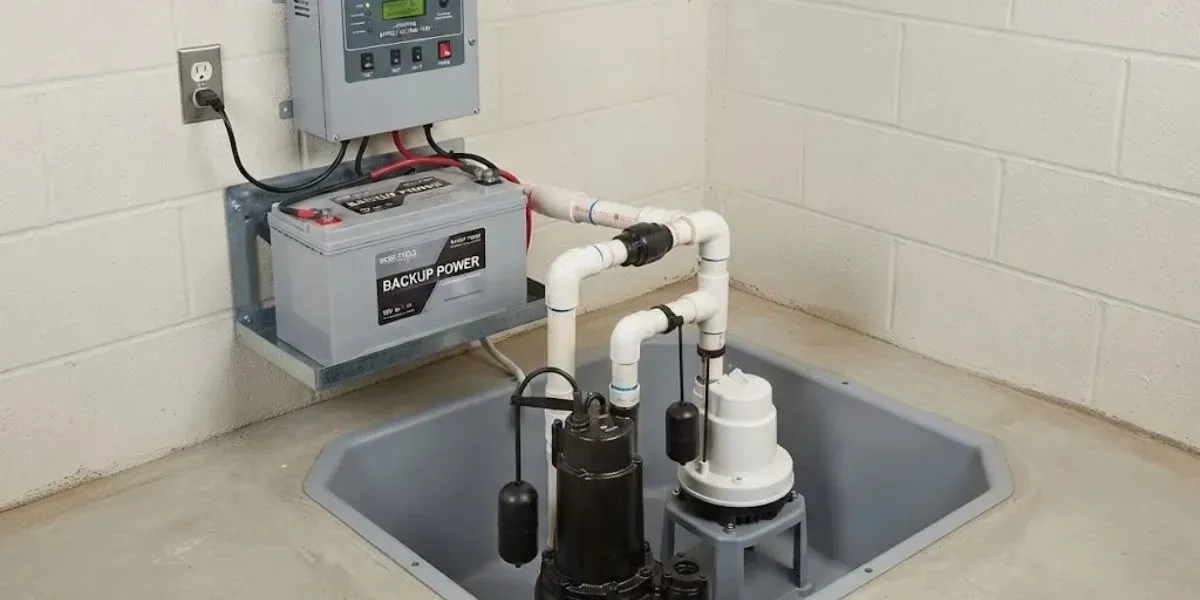
Emergency Sump Pump Repair in Mount Laurel, NJ
A sump pump that fails during a storm leaves water with nowhere to go but your floor. The 24/7 line sends a licensed plumber to repair it or put in a new one.
Water in the basement and no idea why the pump let you down
Most people learn about their sump pump the night it stops working. Sump pump repair means restoring the small pump in a pit in your basement floor that pushes groundwater outside before it can rise. If you see water coming up now, the line is answered nights, weekends and holidays.
While you wait, unplug anything sitting in the water only if the outlet is dry and you are standing on a dry surface. Lift boxes and stored items off the floor, and stay away from the electrical panel if the water is near it.
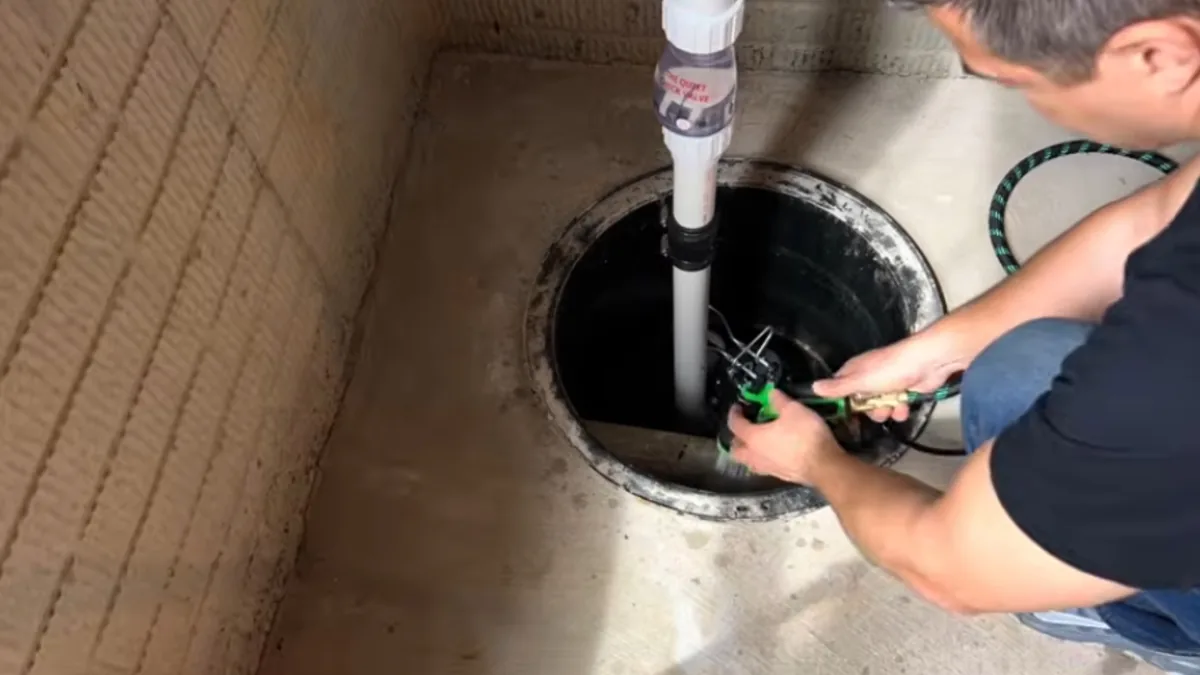
Water rising in the basement right now
If the pit is full and the floor is wet, speed matters more than diagnosis. Call (609) 547-1417 and a dispatcher will arrange a plumber.
- Look at the pit. Check whether the pump is plugged in, whether the float can rise freely and whether water is entering fast or slowly.
- Reset the breaker. A tripped breaker or a pump plugged into a tripped outlet is a common, simple cause. Reset only if the panel area is dry.
- Bail if you must. A bucket and a wet vac slow the rise while you wait, but never plug in a vac while standing in water.
- Protect what matters. Move furniture, electronics and stored boxes upward and away from the pit.
- Switch off power to a flooded basement. If water reaches outlets or the panel, stay out and tell the dispatcher so the plumber knows.
A pump alone cannot fix water that comes through the walls from a different source. If the water is clean and steady, see basement waterproofing for lasting options.
Pit full or pump silent? Call the 24/7 line now.
Call (609) 547-1417What a failing pump looks and sounds like
Any one of these means the pump should be checked before the next storm.
- The pump runs constantly, even in dry weather.
- It hums but does not move water.
- It never starts, even when the pit is full.
- Grinding, rattling or a loud buzz while it runs.
- The float arm sticks against the side of the pit.
- Water is backing up in the pit from the discharge pipe.
- The outside end of the discharge line is frozen or blocked.
- A musty smell rises from the pit lid.
Why power loss is the real risk here
When Irene arrived in late August 2011, water backed up into basements along the north branch of Pennsauken Creek, with Ramblewood and Laurelwood among the sections where water backed up. Outages lingered in Canterbury, Ramblewood, Masonville, Rancocas Woods and Fellowship, and the sewer authority ran generators to keep its own pumps going. An electric sump pump stops the same way when the lights go out, so a battery backup suits any basement in a flood-prone block.
A pump that is ten or more years old can fail without warning even in a mild storm.
Repair, replace or add a backup
The right choice depends on the pump's age, what failed and how much water it moves.
| Option | Best for | Trade-off |
|---|---|---|
| Replace a float switch. | A pump that works but will not start or stop. | Cheap fix, but only if the motor is sound. |
| Replace the check valve. | Pump cycles often because water falls back into the pit. | Easy to do, easy to forget. |
| Submersible pump. | Quiet, sits inside the pit, handles more water. | Harder to service because it is underwater. |
| Pedestal pump. | Motor sits above the pit, easier to reach. | Louder and takes more room. |
| Battery backup unit. | Storms and outages. | Battery needs testing and replacing every few years. |
A pump past its useful life usually costs more in repeat visits than in a new unit. If the motor is original and noisy, replacement beats another repair.
How to test your pump without waiting for a storm
Do this once or twice a year, and always before heavy rain is forecast.
- Check power. Confirm the cord is plugged into a working outlet, ideally a protected one.
- Fill the pit slowly. Pour a few buckets of water into the pit until the float lifts the pump.
- Watch the cycle. The pump should start, empty the pit and shut off within a short time.
- Listen and look. A rattle, a shaking discharge pipe or water dripping back mean something is wrong.
- Check outside. Make sure water is leaving through the discharge pipe and flowing away from the house.
Where the discharge pipe should and should not go
The discharge line should carry water outside, away from the foundation, onto a lawn or into a proper drain. It should never be connected to the sanitary sewer, because storm flow can overload the sewer and is not allowed in many places. If you are unsure where yours goes, the plumber can trace it.
In winter, a discharge that ends too close to the house can freeze and send water back to the pit. A longer line or a freeze-resistant outlet fitting helps avoid that.
Putting in a new pump from scratch
If your basement has no pit at all, a new installation starts with cutting the slab, digging the pit and setting a basin. The plumber then fits the pump, check valve and discharge line and tests the whole system before leaving. Ask the Mount Laurel construction office before you plan the discharge work.
A new pump is often paired with other work, such as plumbing installation for a finished basement, or a leak detection visit if water has an unknown source.
What drives the cost of a pump job
A float swap and a full new pit are very different jobs, so any number given without seeing the pit would be a guess.
- Repair or replace. A part is cheaper than a pump, and a pump is cheaper than a new pit.
- Pump type. Pedestal, submersible and backup units differ in price and labor.
- Discharge routing. A short run out the wall is quick, while a long line or one under a patio takes more time.
- Floor work. Cutting concrete for a new pit adds labor and cleanup.
- Water already present. A flooded pit must be pumped out before work can start.
Homeowners policies often treat sudden and accidental damage differently from gradual leaks or wear, and some exclude sump pump failure unless an endorsement was added. Read your policy or ask your insurance agent before assuming.
Call (609) 547-1417 and tell the dispatcher how old the pump is and whether the pit has water in it.
Closing the loop before the next storm
Keep the pit clear of gravel and debris, clean the pump inlet screen if it has one, and test the battery every few months. If your block sees storm runoff, ask the plumber about an alarm that sounds when the pit fills too high. For a basement with a recurring water problem, a steady gutter and grading fix may do more than any pump, and a nearby town such as Medford gets the same advice.
Sump pump questions homeowners ask
Yes. The 24/7 line is staffed day and night, including holidays, and sends a licensed plumber for failed pumps and rising water. Call (609) 547-1417 and say what the pit looks like.
A high water table after rain is normal. A pump that runs in dry weather often has a stuck float, a bad check valve or a pit that is too small. The plumber can tell which.
Usually several years, and heavy use shortens that. Age alone does not mean failure, but an original motor in a noisy pump is a good candidate for replacement.
If your basement floods in storms, yes. Outages and heavy rain tend to arrive together, which is exactly when an electric pump stops.
No. Storm water belongs outside, not in the sanitary sewer. If you want to learn what happens when the main line is the problem, see sewer line repair.
Not always. A pump handles water that reaches the pit. Water coming through walls or cracks may need separate sealing. Discharge piping and check valves follow the National Standard Plumbing Code that New Jersey adopts, which is why a pump should never be tied into the sanitary sewer.