
Sewer Camera Inspection in Mount Laurel, NJ
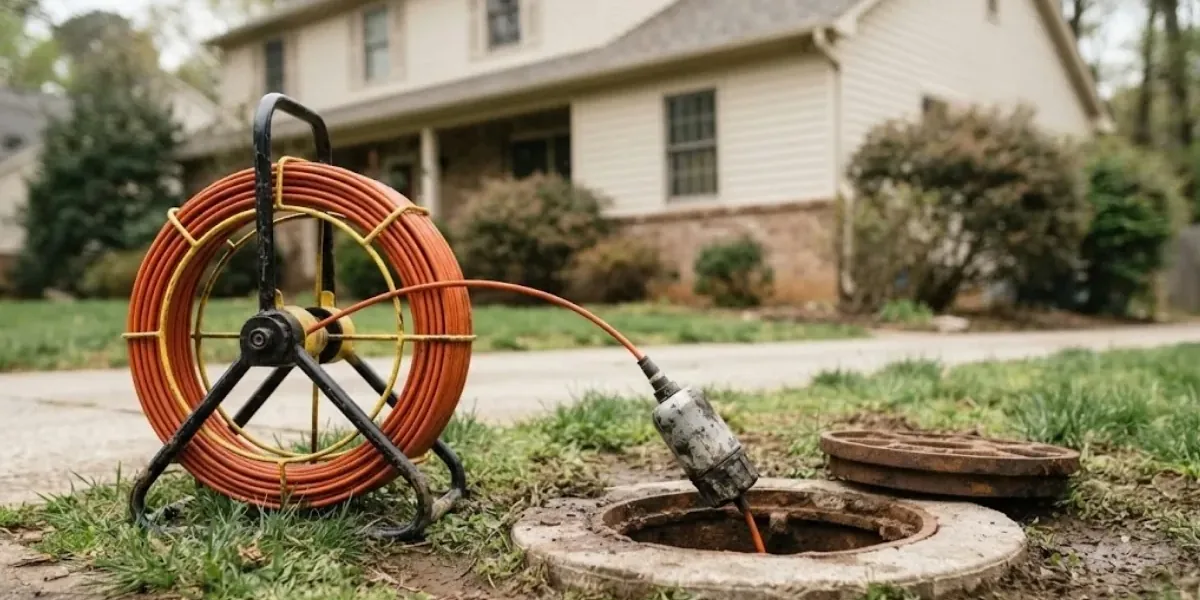
A waterproof camera on a flexible rod shows what the sewer pipe looks like from the inside. Call (609) 547-1417 to book a visit, often the same day when a plumber is available.
A sewer camera inspection replaces guessing with video
A sewer camera inspection is a look inside the drain and sewer lateral using a small camera, a light and a push rod. The plumber sees cracks, roots, sags and joints instead of guessing from symptoms. It is planned work, not an emergency, though it is often the right next step after a backup. You choose a time, and the plumber runs the camera through a cleanout or other access point.
Who tends to need a camera look
Buyers before closing
A home inspector usually cannot see the buried lateral. A camera run gives you condition and defects to weigh against the price.
Owners with repeat clogs
If the same drain or main has stopped up more than once, the video shows why.
Anyone who suspects damage
Sewer smells, a soggy strip of lawn or a sinkhole in the yard are reasons to look.
Sellers getting ahead of a deal
Knowing the pipe condition before listing avoids surprises when a buyer asks.
Before a remodel
If you are adding a bath or a laundry, see the line you will connect to first.
How the visit goes from start to finish
- Find the access point. The plumber uses a cleanout, a pulled toilet or another opening, which is why locating it early saves time.
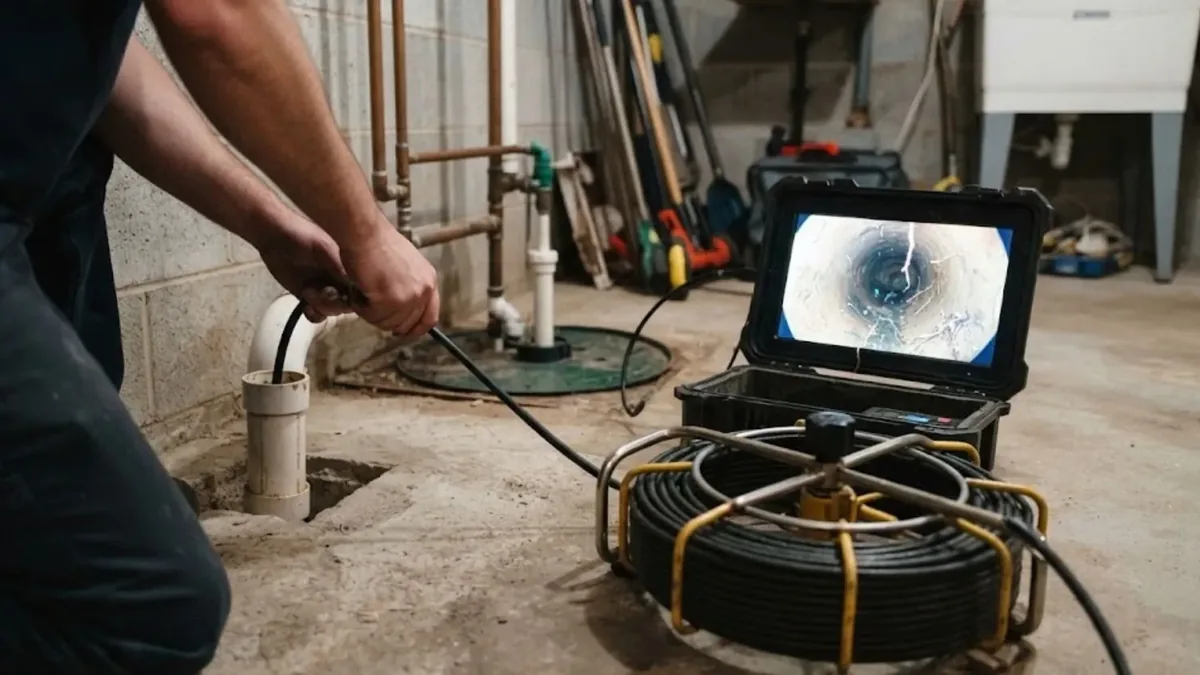
- Feed the camera. The camera head travels down the pipe on a rod while you or the plumber watch a screen and a recorder captures the run.
- Track the depth and distance. A locator at the surface, with a transmitter in the camera head, marks where the pipe runs, how deep it sits and where each defect is.
- Stop at problems. When the camera meets a crack, a root mass or standing water, it pauses so the defect is recorded clearly.
- Review the video. The plumber replays what was found and explains what each clip means in plain language.
Buying, or tired of repeat clogs? Call and schedule a camera look at the pipe.
Call (609) 547-1417What the camera can show
These are the findings a good inspection looks for.
- Cracks and breaks in clay, cast iron, PVC or ABS.
- Roots entering through joints or damage.
- Offset or separated joints where pipe sections have shifted.
- Bellies, which are low spots that hold water and solids.
- Scale, grease and debris narrowing the pipe.
- Pipe material, since clay, cast iron and plastic are all different.
- A connection from a branch or a tap that does not belong.
Reading what you see on the video
Footage looks confusing at first. This table helps with the most common images.
| What you see | What it usually means | Typical next step |
|---|---|---|
| Thin white threads near a joint. | Fine roots have found a leak at the joint. | Cut and clear, then consider a repair at that joint. |
| Water pooled in a long low stretch. | A belly in the pipe. | Monitor if mild, repair or replace if solids keep settling. |
| Rough orange crust on dark metal. | Rusted cast iron with scale. | Clean, then watch for thinning walls. |
| Dark gap or a visible step between sections. | Offset or separated joint. | Repair that spot, see sewer line repair. |
| Smooth pipe, steady flow. | Healthy line. | Keep the video for your records. |
Finding the line itself before you dig or build
Many owners do not know where the sewer lateral runs, only that it leaves the house somewhere. Tracing it with the camera transmitter marks the path on the ground, which helps when planning a patio, a fence or a new tree. It does not replace an 811 call, which is still the step to take before digging for utilities.
If you plan to dig anywhere near the line, call 811 first, and ask the Mount Laurel construction office whether your project needs a permit, since rules vary.
Why a camera check makes sense for Mount Laurel buyers
Housing age and lateral condition
Most of the township's housing was built after the mid 1960s, so a lateral can easily be fifty years or more old. A buyer of an older house should not assume a pipe that old is free of roots or offsets just because the house passed its general inspection. A camera run shows what the sellers may not know.
Ask the Mount Laurel MUA to confirm where your private lateral ends and the public main begins. If the video shows trouble near the street, the MUA is the next call.
What a camera cannot do
A camera cannot see through a full blockage, standing water or a packed line, so a clogged pipe may need cleaning first. It also cannot predict how long a sound pipe will last or whether roots will return. In some old pipe, the first pass may stop at a collapse or a hard offset, and the video will show only up to that point. When that happens, the plumber says so and does not guess about the rest.
Cleaning first, and pairing the camera with jetting
When the line is dirty, the plumber may clear it with a cable before the camera goes in. After that, some owners pair the inspection with hydro jetting to clean the wall and then record a second pass. The clean video is easier to read, and it shows whether the pipe is sound enough to be jetted again.
If sewage is rising right now, that is an emergency, so call the 24/7 line and see sewer line cleaning for how the main is cleared. For trouble in a single fixture or branch, drain cleaning fits better. If the video also suggests water entering from outside, leak detection can help find the source.
What a useful inspection report contains
- The date, the address and the access point used.
- The pipe material and approximate length inspected.
- A recording of the run that you can keep.
- Time stamps or distances for each defect.
- The depth and surface location of problems found.
- A plain statement of what could not be seen and why.
- Repair options, if any, without pressure to choose now.
What affects the cost of a camera inspection
A short run through an easy cleanout is a quick visit. Longer or harder lines take more time. The plumber states the price of the inspection before the camera goes in.
- Access. A cleanout speeds the job, and pulling a toilet to reach the line adds time.
- Length of the run. A long lateral to the street takes more feed and more footage.
- Cleaning before the camera. A dirty line may need a cable pass or jetting for the video to be useful.
- Locating and depth marking. Tracing the line at the surface adds equipment and time.
- Report format. A written summary with the recording is more involved than a quick verbal look.
Insurance seldom pays for an inspection by itself, so ask your agent first if a claim is involved.
Call (609) 547-1417 and the dispatcher will explain how to schedule an inspection.
Getting ready for the appointment
Clear the area around the cleanout and make sure someone can let the plumber into the basement or crawl space. Planned visits are booked on the 24/7 line, which is answered nights, weekends and holidays.
Tell the dispatcher when the house was bought or built, whether it has had backups and if you are on a closing deadline. For buyers, ask for the recording along with the summary, so your agent or attorney can review it. We serve Mount Laurel and nearby towns, including Medford.
Camera inspection questions from buyers and owners
A simple lateral with good access is often a short visit. A long run, a dirty line or a search for the cleanout adds time. The dispatcher can give you a better idea when you call.
It is a sensible step for an older home, since a buried lateral can hide cracks and roots that a general inspection cannot see. Ask your agent about timing in the contract.
It shows a blockage up to the point it cannot pass. A full stoppage usually needs a cable or jetting first, then the camera gives the complete picture.
A good inspection includes a recording and notes you can keep. Ask for it when you book, especially if a buyer, seller or insurer will need it.
The plumber explains the options, from a cleaning schedule to spot repair, lining or replacement. You are not obliged to decide the same day.
A camera run itself does not dig. If repairs follow, call 811 before digging and ask the Mount Laurel construction office about permit rules. The camera report tells you what exists today, and any repair that follows should meet the National Standard Plumbing Code that New Jersey adopts.