
Plumbing Installation in Mount Laurel, NJ
From a new faucet to a relocated toilet, plumbing installation is planned work done once and done to code. Our 24/7 line also books same-day appointments when available.
What plumbing installation covers
Plumbing installation is the planned work of adding, moving or replacing fixtures, supply lines, drains and valves so they work and pass inspection. It includes a new vanity faucet, a kitchen sink, a toilet, a dishwasher hookup and the pipes behind the walls. This is scheduled work, not a leak, so we start with a plan.
Many Mount Laurel houses were built from the late 1960s through the 1990s, so older bathrooms and kitchens are common remodel targets. When a wall is open, upgrading old supply lines and shutoff valves at the same time costs far less than doing it later.
Jobs we install and connect
These are the most common requests for new work.
Fixtures
Sinks, faucets, toilets, tubs and showers set on proper supply and drain connections.
Appliance hookups
Dishwasher and washing machine supply and drain, including a box and valve for the washer.
Outdoor spigots
A frost-resistant hose bib with its own shutoff inside the house.
Shutoff valves
New stops under sinks and toilets, and a main shutoff that you can actually turn.
Disposals and filters
Mounted, wired and tested with the drain, as covered under garbage disposal repair.
How a new bathroom or kitchen gets plumbed
The order matters, because the pipe goes in before the walls close.
- Plan the layout. The plumber checks where supply and drain lines can run and marks fixture positions.
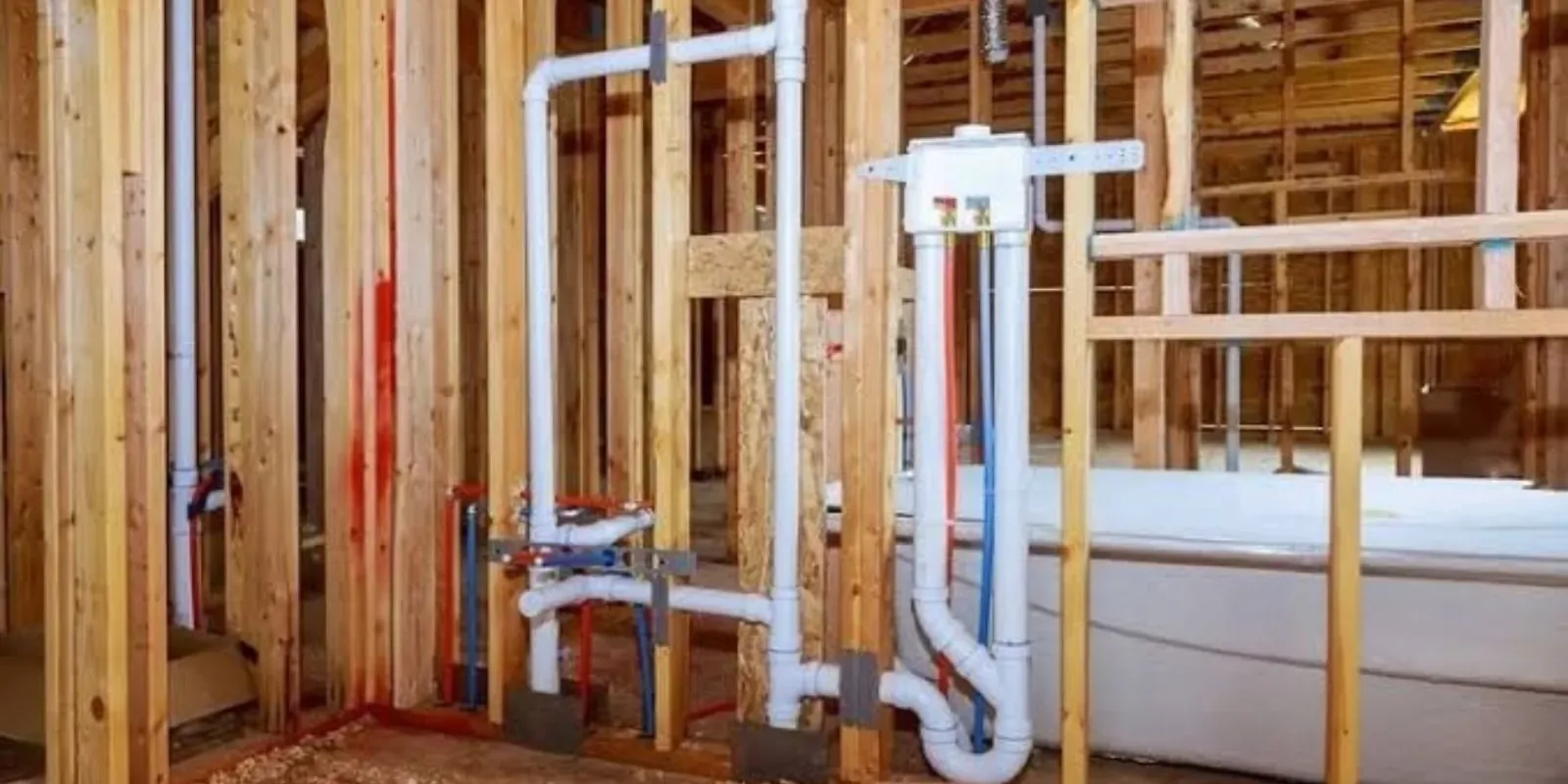
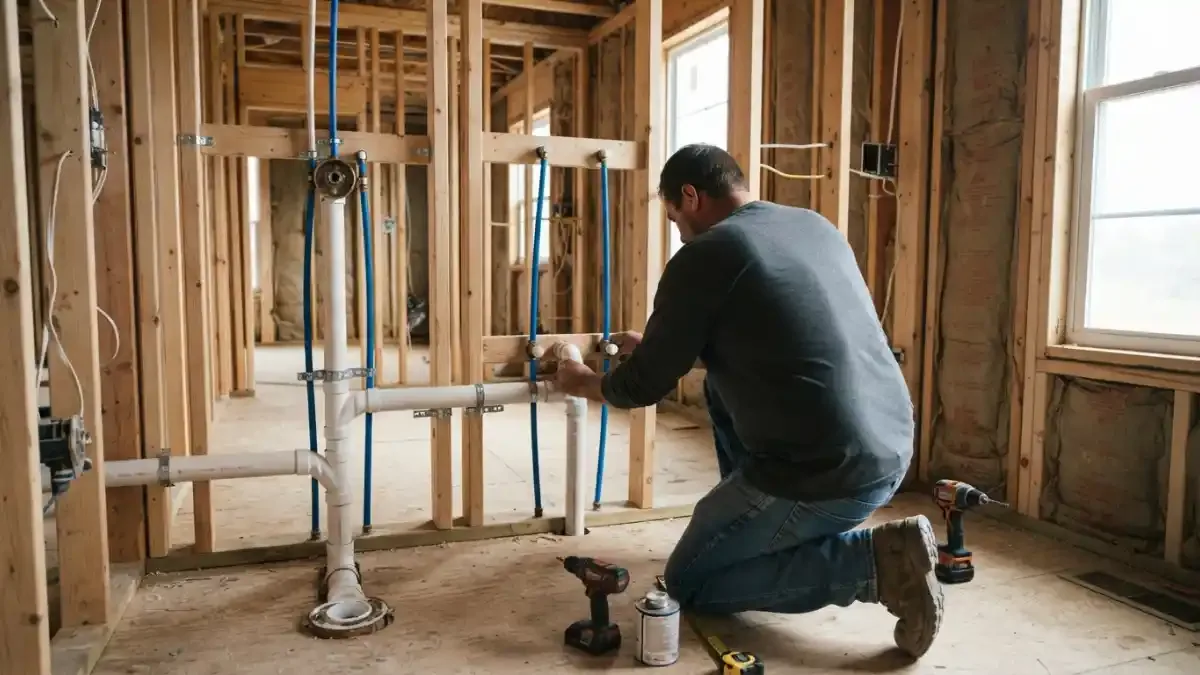
- Rough in the pipes. Supply lines, drains and vents are run inside the walls and floor before drywall.
- Test before closing up. The system is pressure tested and drains are checked, so any leak shows up while the walls are still open.
- Pass inspection where required. The plumbing subcode official decides which inspections apply.
- Set the fixtures. After tile, paint and cabinets, the toilet, sink and faucets are connected and tested.
Planning a bathroom, kitchen or fixture swap? Call the 24/7 line to schedule.
Call (609) 547-1417Code, permits and what to ask first
New Jersey adopts the National Standard Plumbing Code for its plumbing subcode, and the local plumbing subcode official decides how it applies to your job. Permit rules vary, so ask the Mount Laurel construction office before work begins. You can also check any plumber's license with the State Board of Examiners of Master Plumbers through the Division of Consumer Affairs.
Moving a fixture, a quick decision guide
Relocating a sink or toilet is possible but not always simple.
| Change | What it involves | Watch for |
|---|---|---|
| Swap a sink or faucet in place. | Same supply and drain, new fixture. | Old shutoff valves that break when turned. |
| Move a sink a few feet. | New supply runs and a drain re-routed with a proper vent. | Floor joists limit where pipe can run. |
| Move a toilet. | Larger drain, new flange and vent changes. | Slope of the drain and a cast iron or PVC stack. |
| Add a bathroom. | Full rough-in with drain, vent and supply. | Tie-in capacity of the main drain. |
| Move a kitchen sink to an island. | Vent path and trap arm length become the challenge. | Island venting needs a specific method. |
A plumber confirms the options on site. We cannot know what a wall or floor allows until we see it.
Vents and slope: why drains need both
A drain pipe must fall at a steady slope so water carries waste along instead of leaving it behind. Too flat and solids settle, and too steep can leave water behind while solids stay put. Every fixture also needs a vent, which lets air in behind the water so the trap seal holds and the fixture drains quietly.
That is why moving a toilet across a room is more than moving a pipe. The new location must still reach the drain at the right fall, with a vent within reach. If it cannot, the layout has to change, and an honest plumber will tell you so before cutting a hole in the floor.
Water supply and what hardness means for new fixtures
The township's water quality summary lists 63 to 138 ppm of total hardness across the supplies it names. The MUA and New Jersey American Water sit near 80 to 100 ppm. That level leaves scale on new faucets, showerheads and dishwasher heating parts over time. Picking fixtures with removable aerators and cleanable screens means you can maintain them instead of replacing them.
If you are running new supply lines, copper and PEX are both common and each has strengths, so ask the plumber which suits the wall. For a whole house of aging pipe, our repiping page explains when to replace instead of patch.
What a clear written quote should list
A quote you can compare line by line is the best defense against surprises.
- Each fixture or appliance named by type, with who supplies it.
- The pipe material for supply and drain, such as copper, PEX or PVC.
- Any wall, floor or ceiling opening and who repairs the finish.
- Permit and inspection responsibility, so nobody assumes the other side handles it.
- Shutoff valves and supply lines included or priced separately.
- Disposal of old fixtures and cleanup.
- What happens if a hidden problem turns up, such as rotted subfloor.
Ask for the same detail from every plumber you compare. The plumber prices the job first, and you can call (609) 547-1417 to schedule a visit.
Working alongside other trades
Plumbing sits in the middle of a remodel. The rough-in goes in before insulation and drywall, and the fixtures go in after tile, flooring and cabinets. If a plumber arrives too early or too late, someone ends up cutting finished work.
Tell your contractor which day the walls close and your plumber will schedule the rough-in test before it. Tub and shower valves need blocking behind the wall, and an electrician needs to know where a disposal or a tankless unit will draw power. For hot water changes during a remodel, read about water heater installation.
What to do before any digging: call 811
A new outdoor spigot run, a water line extension or a sewer tie-in may involve digging. Call 811 before digging so buried utilities are marked. Hitting a line costs far more than waiting for the marks.
What drives the price of new plumbing
No two installs cost the same, because walls, floors and fixtures vary so much. The cost follows the amount of pipe, the access and the finish work.
- Scope of the job. Swapping a faucet is quick, while adding a bathroom means rough-in, vents and testing.
- Access to the pipes. Open walls and a basement below make runs easier than a slab or a finished ceiling.
- Fixtures and materials. Higher-end fixtures and copper cost more than basic fixtures and PEX.
- Code and inspection. Permits and inspections add steps and scheduling time.
- Hidden conditions. Rot, old galvanized lines or undersized drains can change the plan once a wall is open.
Insurance usually does not pay for planned improvements, though a covered loss like water damage may include related repairs, so ask your agent.
Call (609) 547-1417, describe the fixtures, and the price comes before the work does.
Commercial and larger projects
Offices and shops along Route 73 and near East Gate Business Center have different needs, such as fixture counts, shared drains and shutoff locations that differ from a house. If you manage a building, see commercial plumbing. For a house, our Cherry Hill coverage and the Mount Laurel line handle the same residential scope. The 24/7 line takes calls about planned work too, and a dispatcher can book it.
Installation questions homeowners bring us
Permit rules vary, so ask the Mount Laurel construction office. A like-for-like swap and a rough-in for a new bathroom can be treated differently. Your plumber can tell you what to ask.
Often yes, but it depends on the floor joists, the drain slope and where a vent can run. We cannot know until we see the space. The plumber will tell you honestly if a move is practical.
The fixtures, pipe materials, openings and repairs, permit responsibility, shutoff valves and cleanup. A vague one-line quote makes comparison impossible. The plumber quotes the job in advance, after seeing the layout.
Yes. That means supply, shutoff valves, a drain connection and a test for leaks. A washer box with a hammer arrestor or valve makes later service easier.
A frost-resistant hose bib is run from a supply line with its own shutoff inside. If the run needs digging, call 811 first. The plumber will also tell you how to drain it before freezing weather.
Same-day appointments are available when the schedule allows, and the 24/7 line is staffed day and night. Call (609) 547-1417. For a water heater swap, read water heater installation.