
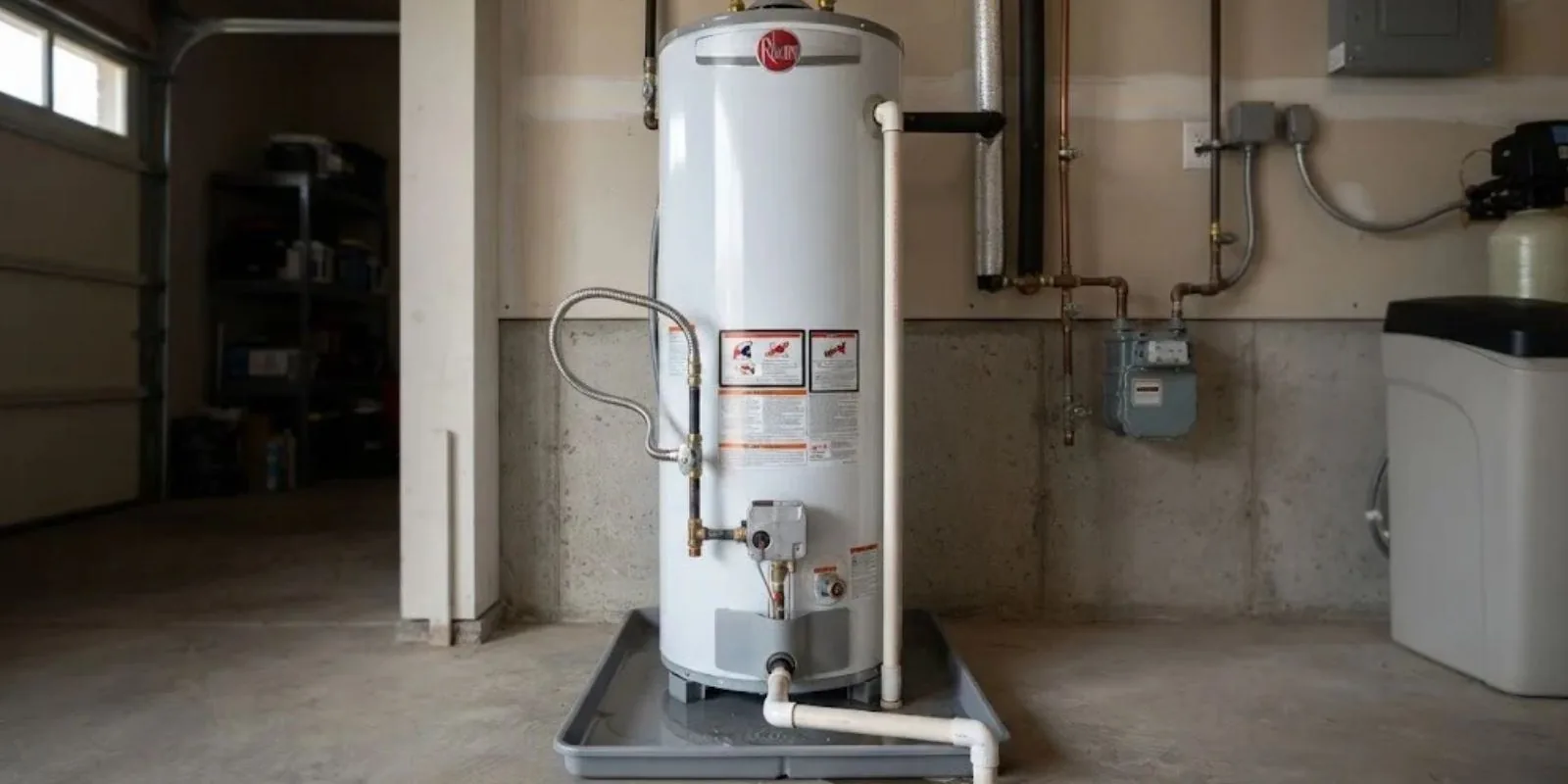
Water Heater Installation in Mount Laurel, NJ
Planning a new tank, heat pump unit or a move to a different spot in the house? A licensed plumber sizes it, vents it and quotes it clearly before work starts.
Planned installs and leaking tanks are different jobs
Water heater installation is the planned work of choosing, placing and connecting a new unit with the right size, fuel, venting and safety parts. This page is for upgrades and relocations on your own schedule. If the old tank is leaking right now, go to emergency replacement and call the 24/7 emergency line, because speed matters more than comparison shopping when water is on the floor.
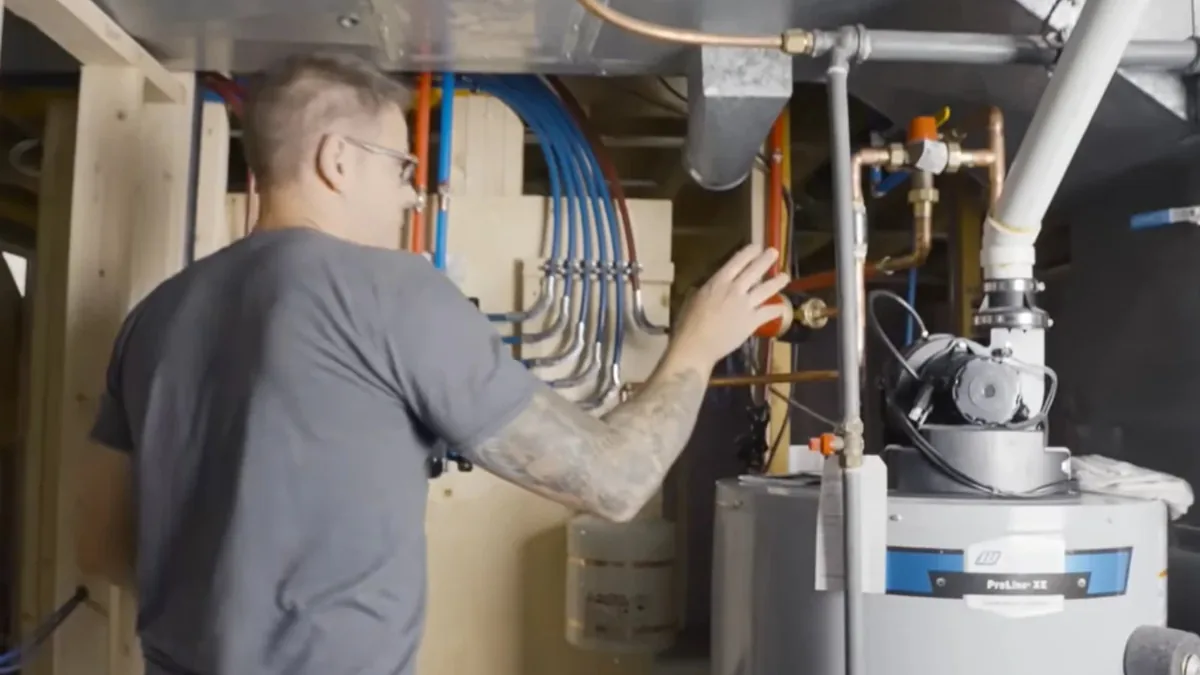
Matching the unit to the household
Start with who lives in the house and how they use hot water.
One or two people
A 30 to 40 gallon tank, or a small tankless unit, usually covers showers, dishes and laundry.
Three or four people
A 50 gallon tank is the common choice, with a high first hour rating if showers cluster in the morning.
Five or more, or a soaking tub
Look at 65 to 80 gallons, two smaller tanks, or a high output tankless unit.
Heat pump candidates
Homes with a roomy unfinished basement or garage that stays above freezing suit a heat pump tank best.
Where the heater goes and how much room it needs
A gas tank needs clearance around the burner area, a flue that rises to the chimney or exits through the wall, and combustion air. Leave working space in front so the plumber can reach the controls, the drain valve and the relief valve. A cramped closet can work for a direct vent model but may fail for an atmospheric one.
A basement or utility room is the usual spot for the tank. If your house already has a drain and a flue path there, reusing that location keeps the cost down. Garages need the burner raised or protected from vehicles, and an attic install demands a drain pan with a line to a safe discharge point so a leak does not ruin a ceiling.
Planning a new water heater? Call to set up a site visit and a written price.
Call (609) 547-1417Which kind of heater fits which house
| Unit | Needs from the house | Watch out for |
|---|---|---|
| Standard gas tank. | Gas line, flue or vent path, combustion air. | Old flues that are undersized for the new unit. |
| Standard electric tank. | A dedicated 240 volt circuit and breaker. | Panel capacity if the house has several large loads. |
| Heat pump tank. | Open air volume, a condensate drain, a 240 volt circuit. | Cooler room air and slower recovery in cold months. |
| Gas tankless. | Larger gas line, new venting, a drain and power. | Higher install cost, see tankless water heater service. |
| Indirect tank. | A boiler to heat it, with a zone and pump. | Only makes sense when the boiler is sound, see boiler repair. |
How a planned install is laid out
With time to plan, the visit goes in a calm order.
- Walk the site. The plumber looks at the location, the gas and electrical supply, the flue path and the floor drain.
- Agree the unit. You choose size, fuel and type, and the plumber confirms the parts list and any code upgrades.
- Prepare the route. Shutoffs are tested, and if needed a new gas line, circuit or vent pipe is run before the old unit is touched.
- Set and connect. The unit is leveled on a pan, connected with new flex lines and a relief valve, and vented.
- Test and review. Fill, purge, combustion check or voltage test, then a walk through of the controls and the maintenance schedule.
Venting, gas lines and the electrical side
Gas models are vented four ways. An atmospheric unit uses natural draft up a metal flue, a power vent uses a fan and plastic pipe, a direct vent draws combustion air from outside, and a condensing unit exhausts cool gases through a drain-fed plastic line. Which one is allowed depends on the model and the building.
Gas piping has to be sized for the total load, and an upgrade from a tank to a larger burner may need a bigger line. Electric and heat pump units need a dedicated circuit with the right breaker and wire gauge. Ask the Mount Laurel construction office whether your project needs a permit, and expect the plumber to work to the National Standard Plumbing Code that New Jersey adopts.
Mount Laurel water and what it does to a new heater
The township's water quality summary lists 63 to 138 ppm across the supplies it names. The MUA and New Jersey American Water sit near 80 to 100 ppm, or about 3.7 to 8.1 grains per gallon over the full span. In practice that means scale forms on elements and sediment collects at the bottom of the tank. A new unit with a good anode rod and an annual flush will outlast one that is left alone.
If your home has a water softener or a filter, mention it during the walk through so the plumber can plan the connections. A softener also reduces scale in the heater, which can lengthen the life of both elements and burners.
What a written quote should list
Ask for these items in writing so two quotes can be compared fairly.
- The make, model, capacity and first hour rating of the new unit.
- Fuel type and the venting method, including any new vent pipe or liner.
- Gas line, electrical circuit or condensate drain work, stated separately.
- An expansion tank, relief valve and discharge pipe, plus a drain pan.
- Haul-away of the old unit, and whether permit rules were checked.
- What the warranty covers on the tank and on the labor, in plain words.
- The total price, so there are no surprises on the day.
Moving a heater to a better spot
Relocating a heater is a common planned project, such as moving it from a closet to the basement, or out of a finished space to a garage. The pipes get extended or rerouted, the flue or vent has to be rebuilt in the new place, and the gas or electrical supply has to reach it.
Large reroutes are a plumbing project in their own right, and the broader new line and shutoff work belongs in the same quote. Ask the plumber to price the relocation as its own line, because the cost of new pipe runs and a new vent can exceed the unit itself.
What shapes an installation quote
The unit is one number among several, and the others are what make quotes differ.
- Type and capacity. Heat pump and tankless models cost more than standard tanks, and larger tanks cost more than small ones.
- Vent work. Reusing a sound flue is cheaper than rebuilding it or switching to power vent.
- New gas or electrical runs. Longer runs, larger pipe and panel work add labor and materials.
- Location. Attics, crawl spaces and tight closets take longer than an open basement wall.
- Extras. An expansion tank, a pan, a recirculation line or a water softener tie in add parts.
Planned upgrades are not an insurance claim, but a proper install with a drain pan and relief valve discharge is what an insurer expects to see if the heater ever leaks. A planned upgrade is normally a home improvement expense.
The plumber walks through the scope before any pipe is cut. Call the 24/7 line at (609) 547-1417 to book a site visit, including evenings and weekends if your work shifts make days hard.
What to do before install day and how long it takes
The 24/7 line also takes planning calls, and same-day appointments are available when a plumber is free, but a planned install gives you a wider choice of units on the shelf. Pick a day when someone will be home, since the water will be off for a stretch. The evening before, run the dishwasher and laundry so you are not short of hot water while the unit is off.
If you are redoing the bathroom or kitchen at the same time, bring the heater into the project, because new fixtures and shutoffs are easier to add when the walls are open. For a house in Moorestown or nearby towns, the same dispatcher can schedule the visit.
Planning a heater install, answered
Count the people in the house and note when they shower. Then look at the first hour rating of the unit, which tells you how much hot water it delivers in a peak hour. The plumber matches the unit to your peak use.
Often yes. The pipes, vent and fuel or power supply all have to be extended, so price it as its own item. A longer move costs more than a swap in place.
It can, if the room has enough open air, a condensate drain and a 240 volt circuit. It will cool the room slightly while it runs. A cold, damp or tiny space makes it less efficient.
Whether a new install needs a permit is a question for the Mount Laurel construction office. A plumber can tell you what the install involves, but the office decides what your project needs.
If your plumbing is a closed system with a check valve or pressure reducing valve, an expansion tank is a good idea and may be required. It prevents pressure spikes and a dripping relief valve.
A straightforward tank swap often takes a few hours, while a relocation or a change of fuel takes longer. The plumber can give you a realistic answer after seeing the site.