
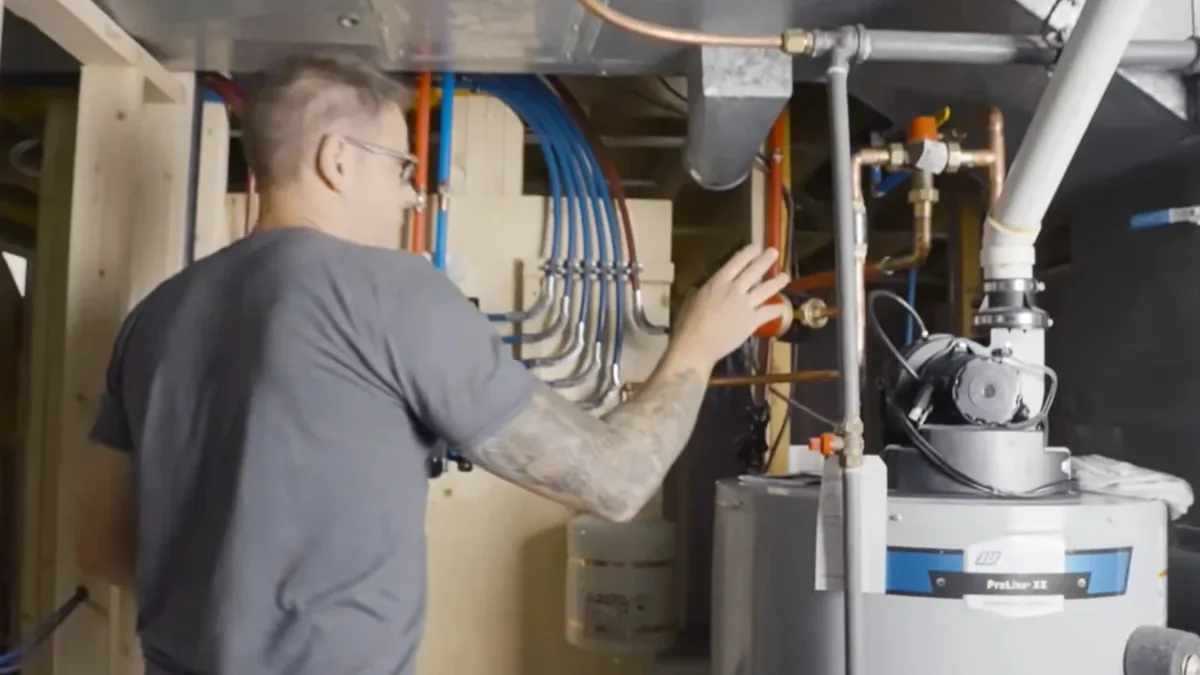
Installing an Instant Hot Water Heater Under the Sink in Mount Laurel, NJ
An under-sink instant hot water heater gives a kitchen faucet hot water without the wait. Here is what the install involves, what Mount Laurel water does to a small heater, and where a plumber is the right call.
What an under-sink instant heater is and how it gets installed
An under-sink instant hot water heater is a small electric unit, often a compact tank, that sits in the cabinet and feeds hot water to one faucet. It connects to the cold supply line, plugs into a grounded outlet, and sends heated water to a dedicated tap or to your existing faucet. Because the hot water sits right at the sink, you skip the wait for water from the main heater.
The install is modest in plumbing terms. The cabinet space, the electrical outlet and the water pressure decide whether it is simple or complicated.
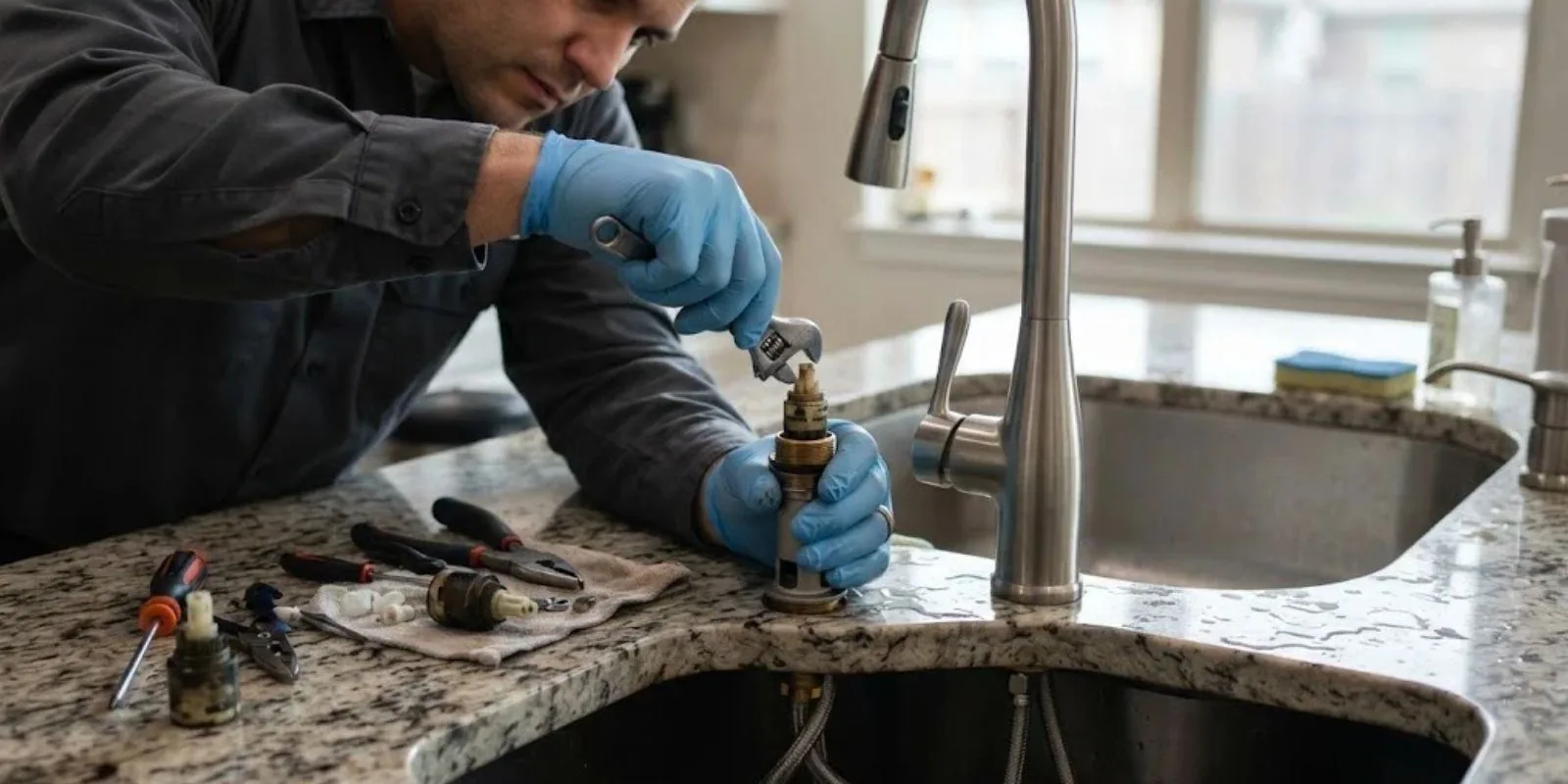
What the cabinet needs before you buy
Check these things before you order a unit, because returns are a hassle.
- Enough clear space for the unit and a few inches for the supply line and cord.
- A grounded outlet within reach, ideally a GFCI outlet, on a circuit that is not overloaded.
- A cold water shutoff valve under the sink that actually closes.
- A faucet or dispenser spot, since some units need a separate small tap.
- The unit's rating label, so you can match it to the outlet and the maker's instructions.
If there is no outlet nearby, adding one is electrician work in most cases, so plan for a second tradesperson.
Install walkthrough with the safety steps in order
These are the typical steps. Always follow the maker's instructions, since models differ.
- Cut the power first. Switch off the breaker for the circuit and unplug any nearby appliance. Do not rely on a wall switch alone.
- Close the water. Shut the cold valve under the sink, then open the faucet to release pressure.
- Mount the unit. Fix it on the cabinet wall or set it on a level base, leaving room for the pressure relief outlet if the unit has one.
- Connect the supply. Run a braided line from the cold valve to the inlet. Hand tighten, then a gentle quarter turn with a wrench.
- Fill before you power up. Open the cold valve and run the hot tap until air stops sputtering. A heater that runs dry can burn out its element.
- Restore power and test. Turn the breaker back on, wait for the unit to heat, and check every joint for drips.
Not sure the cabinet, outlet and shutoff will work? Call and ask before you buy.
Call (609) 547-1417Under-sink heater or another fix for slow hot water
Not every kitchen needs this unit. Compare the options honestly.
| Option | Best for | Trade-off |
|---|---|---|
| Under-sink mini tank. | One sink far from the main heater. | Small supply, so long draws run out. |
| Point-of-use tankless. | Steady small flows at one faucet. | Needs adequate power and flow to trigger. |
| Recirculating loop. | Hot water at many fixtures. | More plumbing work and added energy use. |
| Moving or upgrading the main heater. | Several slow rooms. | Bigger job, often with a new water heater installation. |
A recirculating setup or a bigger heater is a design conversation, not a weekend project.
What Mount Laurel's water does to a small heater
Hardness and scale
Public water in the township is reported with total hardness between 63 and 138 ppm, or roughly 3.7 to 8.1 grains per gallon. That makes it moderately hard, and harder toward the top of that range. The township does not give a single number for any one address, and the utility says supplies can mix.
The payoff is that scale can coat the heating element and the inside of a small tank over time. Plan to check and descale the unit as the maker directs, and keep the aerator on the faucet clean. If hot water slows or the unit takes longer to heat, scale is a likely suspect.
Check the main heater before you add a second one
A long wait at the kitchen faucet is often just distance. Hot water has to travel from the main heater through the pipe, and the cold water already in the line comes out first. A small unit at the sink skips that trip.
If the water never gets truly hot, or runs out quickly at every faucet, the cause may be the main heater instead of the pipe run. A sediment-filled tank or a failing element is a repair question, and water heater repair is the better first step before spending money on a second heater.
Scald and electrical rules that do not bend
Set the temperature as the maker directs and warn anyone using the sink, because hot water can scald in seconds. Keep the cord and plug away from the cabinet floor where a leak could reach them. If you smell burning, see water on the unit, or the breaker trips, switch off the breaker and call.
When a plumber should do it instead
Plenty of handy homeowners can mount a small unit and connect a supply line. A plumber is the better choice when the shutoff valve is frozen or corroded, when you want the unit tied into a dedicated hot tap, or when the cabinet has no outlet.
For a larger comfort fix, a tankless water heater serves the whole house instead of one sink. Permit rules vary, so ask the Mount Laurel construction office whether your project needs paperwork. For help with the supply side, plumbing installation covers shutoffs and new lines.
People in Evesham and Mount Holly, a nearby county seat to the northeast, call the same line for kitchen upgrades.
Instant hot water questions for Mount Laurel kitchens
Not always. A simple plug-in unit is within reach of a careful homeowner. Call a plumber if the shutoff valve is stuck, if you want a dedicated tap, or if an outlet has to be added.
No. A mini tank holds a small amount and then refills, so it suits hand washing and quick tasks more than filling a large pot.
That depends on the model. Check the rating label and the maker's instructions, and let an electrician confirm the circuit if you are unsure.
Follow the maker's schedule. With moderately hard water, more frequent checks are sensible, and slower heating is a sign scale is building up.
Yes. The township's water quality summary lists hardness from 63 to 138 ppm across its supplies, about 3.7 to 8.1 grains per gallon. Scale can build on the heating element, so plan on upkeep. A new under-sink unit needs a proper supply connection, and a plumber can confirm the setup under your sink. A new under-sink unit needs a supply connection that meets the National Standard Plumbing Code that New Jersey adopts.