
Sump Pump Drainage Installation in Mount Laurel, NJ Homes
A sump system is a pit that collects water, a pump that lifts it, and a pipe that carries it away from the house. Here is how the install goes, what you can prepare, and where a plumber is the safer choice.
What a sump pump drainage install actually involves
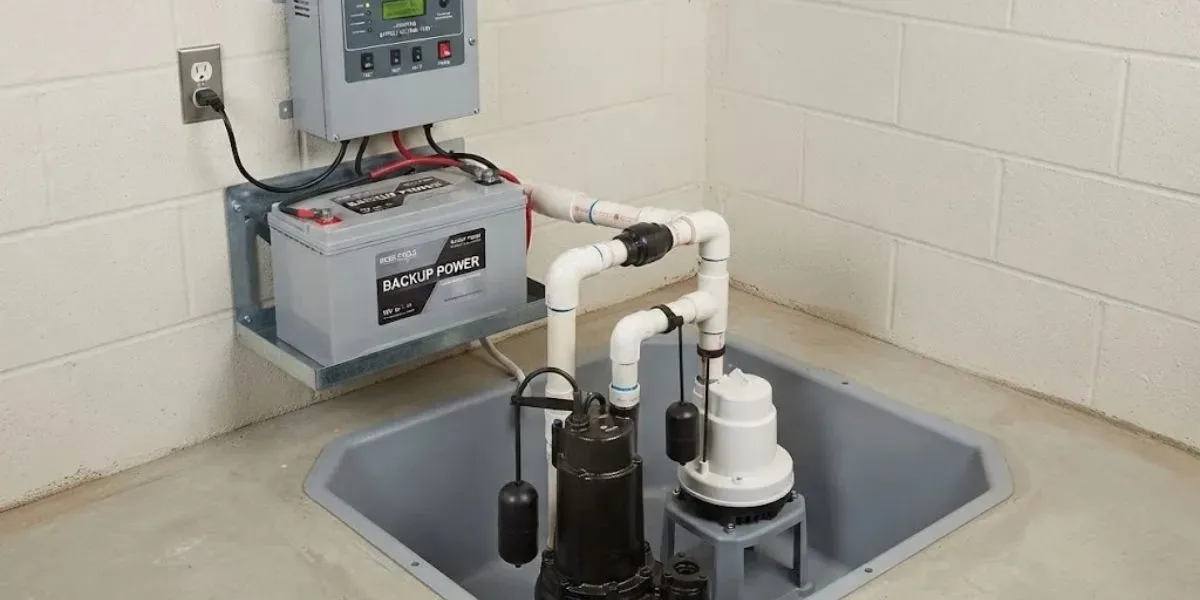
Sump pump drainage installation means cutting a pit into the lowest part of a basement or crawl space, and setting a pump inside it. A discharge pipe then carries the water outside and away from the foundation. In some homes the pit also connects to drain pipe along the footing, so water collecting under the slab has a path to the pump. The drainage side decides how well the system works.
Most of the township's housing was built after the mid 1960s, so some Mount Laurel basements already have a pit and an older pump. If yours does, the job may be a pump swap and a new check valve instead of a new excavation. A plumber can tell which one you need once the pit lid comes off.
From marking the floor to the first test run
The order matters more than the brand of pump. Skipping a step usually shows up later as a pump that cycles constantly or a pit that never fully empties.
- Find the wet spot. The plumber looks for where water collects, usually the lowest corner or the wall closest to a downspout, and checks where the floor drain and any utility lines run before anything is cut.
- Open the slab. A section of concrete is cut and broken out, the soil is dug, and the liner is set so its rim sits level with the finished floor.
- Connect the drainage. Perforated pipe or a channel along the wall feeds the pit, and clean gravel goes around the liner so water moves in freely.
- Set the pump. The pump sits on a firm base, not loose in the mud, with enough room for the float switch to swing without catching the wall.
- Run the discharge line. A check valve goes on the pipe just above the pump so water cannot fall back in, then the line exits through the wall or rim joist and runs outside.
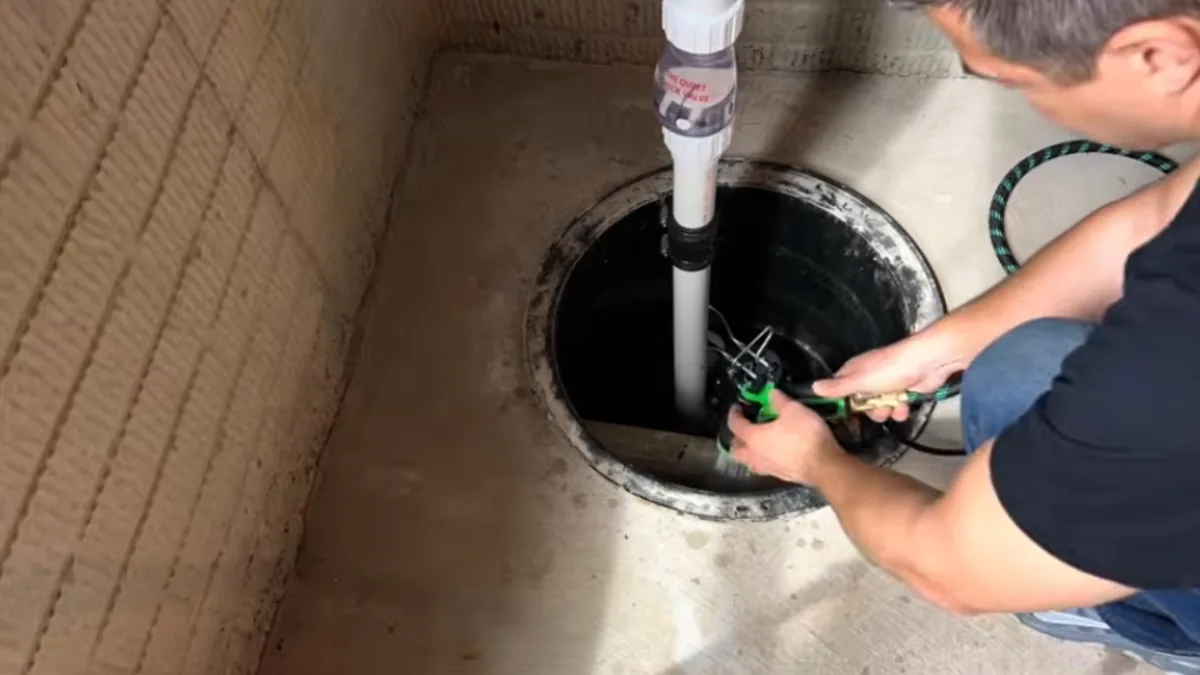
- Test under load. The plumber pours in water until the float lifts and the pump starts, then watches it empty the pit and shut off cleanly.
Drainage setups and what each one fits
The right setup depends on how many places water enters, not on how big the pump looks.
| Setup | Best for | Trade-off |
|---|---|---|
| Pit and pump only. | One wet corner or a single seep point. | Limited reach if water also enters on the far wall. |
| Pit plus perimeter drain. | Dampness along several walls. | More concrete work and a longer, messier job. |
| Pump swap in an existing pit. | A pit that drains well but has a failing pump. | Does not fix a pit that is undersized or poorly connected. |
| Pit with battery backup pump. | Homes that lose power during storms. | Battery needs testing and eventual replacement. |
We cannot know which row fits until someone sees where the water actually enters, so expect the plumber to look before naming a plan.
Water in the pit and the pump not running? Call the 24/7 line now.
Call (609) 547-1417Where the discharge water must never go
Pump discharge belongs outside, running onto ground that slopes away from the house. Sending it into a floor drain or the sanitary sewer is widely prohibited, because clean groundwater overloads sewer lines meant for household waste. Permit rules vary, so ask the Mount Laurel construction office before you finish a discharge route.
If the line needs a trench in the yard, call 811 before anyone digs. Buried utilities do not announce themselves.
What Tropical Storm Irene taught Mount Laurel basements
Storm water and lost power
In late August 2011, Tropical Storm Irene pushed water onto streets and into basements along the north branch of Pennsauken Creek, mainly in Ramblewood and Laurelwood. Power outages then lingered in Canterbury, Ramblewood, Masonville, Rancocas Woods and Fellowship, and the township utilities authority ran generators to keep its sewage pumps going.
The takeaway for a home is simple. The storm that fills a pit can also cut the power that runs the pump. When you plan a new system, ask what a battery backup would run, how long it would last, and how often you should test it.
Getting the basement ready for a plumber
A little preparation saves time and lets the plumber see the real problem.
- Move boxes and stored items at least a few feet back from the wet corner.
- Note where water shows up and whether it follows heavy rain or snowmelt.
- Photograph the pit, the pump label and the spot where the discharge pipe leaves the house.
- Find the outlet the pump uses and check whether it is a GFCI outlet.
- Clear a path from the basement stairs to the pit.
- Keep children and pets out of any area with standing water.
If water is already across the floor, do not step into it until you know the power to that area is off.
What you can handle and when to stop
Some work is fair game for a careful homeowner. You can clear debris from the pit, check that the float moves freely, and pour in a bucket of water to see the pump start. Cleaning the intake screen and tightening a loose discharge clamp are also reasonable.
Stop and call a plumber when the pump hums but moves no water, when the pit keeps rising after the rain has stopped, or when water is near the electrical panel. Cutting a slab is a job for a plumber who handles sump systems, partly because of concrete dust and partly because a cut through the wrong line is expensive. If you are weighing a bigger fix, basement waterproofing covers sealing and drainage beyond the pump itself.
Homeowners in Moorestown and Evesham reach the same dispatch line, which answers day and night.
Sump drainage questions from Mount Laurel homeowners
It depends on how water enters. If it seeps through one spot, a pit and pump may be enough. If dampness shows along several walls, a perimeter drain feeding the pit usually works better.
A pump swap in an existing pit can be a short visit. A new pit with cut concrete and added drainage is a bigger job, and the plumber can give you a realistic window once they see the basement.
Outside, on ground that slopes away from the foundation, and far enough out that the water does not run straight back toward the wall. It should not connect to a floor drain or the sanitary sewer.
If your area loses power during storms, a backup keeps the pit from filling while the main pump is dead. It does need periodic testing, and the battery wears out over time.
Yes. Yes, any outage stops a pump with no battery or water powered backup, and long outages have happened here. A pump with no power cannot lift water, so ask about a backup before the next big storm. Discharge piping follows the National Standard Plumbing Code that New Jersey adopts.