
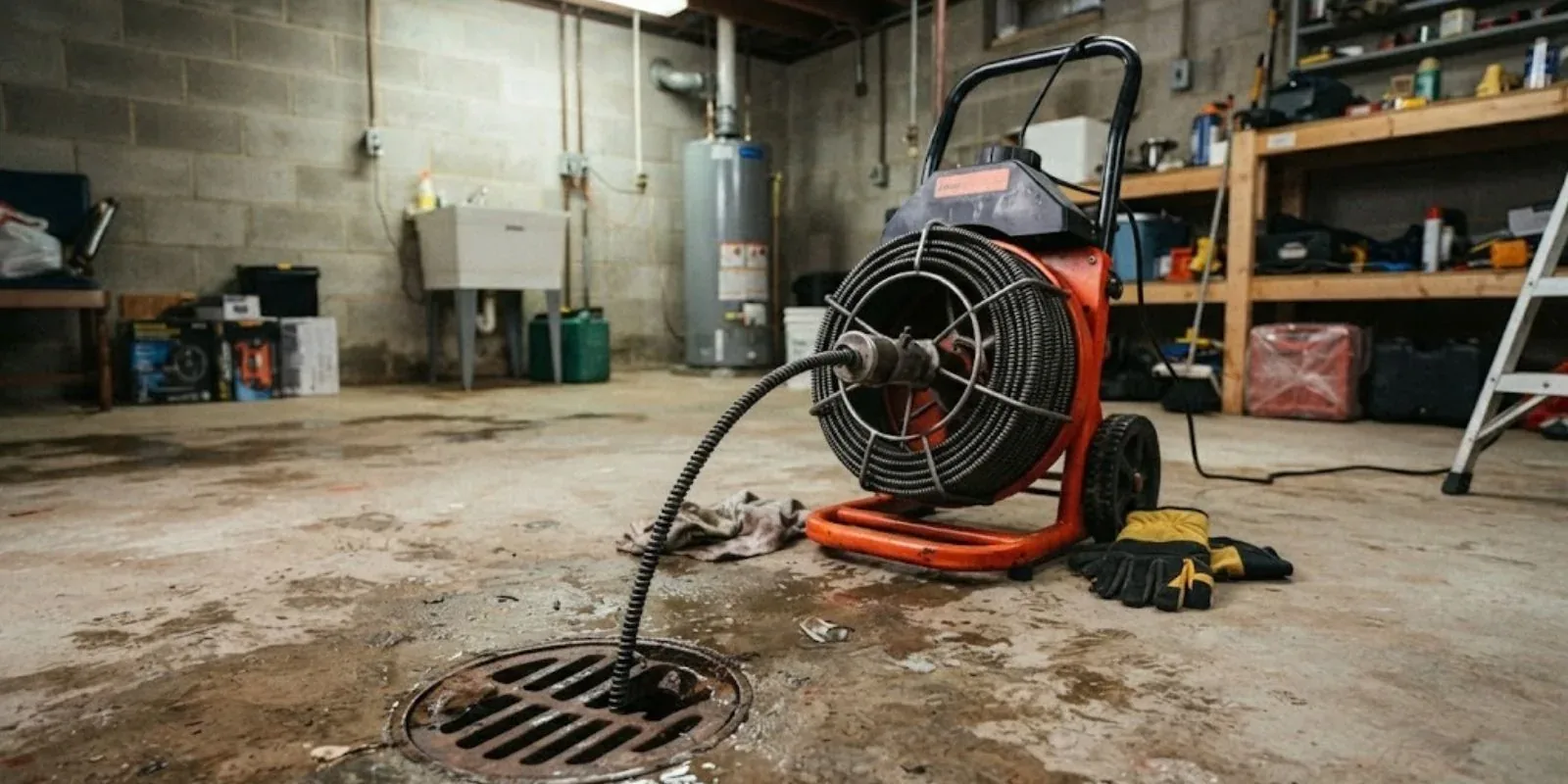
Acid for Clogged Drains in Mount Laurel, NJ Homes: Skip It
Acid drain cleaners can burn skin, damage pipes and leave a plumber working in dangerous water. Here is what they do, what to try first, and when a clog needs a pro.
The short answer before you open the bottle
Do not pour acid into a clogged drain. Strong acid cleaners work by generating heat and chemical reaction, and a drain that is fully blocked holds that liquid in place instead of letting it flow away. The result can be splashes, damaged pipe and a clog that is still there.
Start with a plunger or a hand auger. If the drain stays blocked, call a plumber before adding any chemical.
Common beliefs about drain acid and what is really true
| What people assume | What actually happens | Safer move |
|---|---|---|
| Stronger acid clears any clog. | It may eat part of a soft clog but cannot move a solid object or a tree root. | Auger the drain to pull the blockage out. |
| It is fine in every pipe. | Heat and acid can soften plastic fittings and corrode old metal. | Find out your pipe material first. |
| If one bottle fails, use a second. | Mixing products can release toxic fumes. | Stop and do not add anything else. |
| A slow drain is the same as a full clog. | A slow drain often needs a plain cleaning, not chemistry. | Remove the trap and clean the hair or grease. |
Never combine drain products, and never mix them with bleach or ammonia cleaners.
What happens to your pipes and your skin
Sulfuric acid style cleaners are corrosive. A splash on bare skin can cause a chemical burn, and fumes in a closed bathroom irritate the eyes and lungs. Because the product sits in standing water above the clog, it also sits against the pipe wall and the trap.
Homes in the township were mostly built after the mid 1960s, so drain lines are a mix of cast iron, copper and PVC in different spots. Each reacts differently to heat and acid, and you often cannot tell which you have from the sink. That uncertainty alone is a reason to leave the bottle on the store shelf.
Drain still blocked after the plunger? Call before you add any chemical.
Call (609) 547-1417A safer order of attack for a clogged drain
Work from the gentlest tool up. Stop whenever the drain runs freely.
- Check what is nearby. If several fixtures are slow at once, the problem is deeper than one sink. Skip the plunger and read the section below on when to call.
- Plunge properly. Use a cup plunger on a sink or tub and block the overflow opening with a wet rag so pressure goes into the clog.
- Clean the trap. Put a bucket under the P-trap, loosen the nuts by hand and clear out the hair and grease. Reassemble snugly and run water to check for drips.
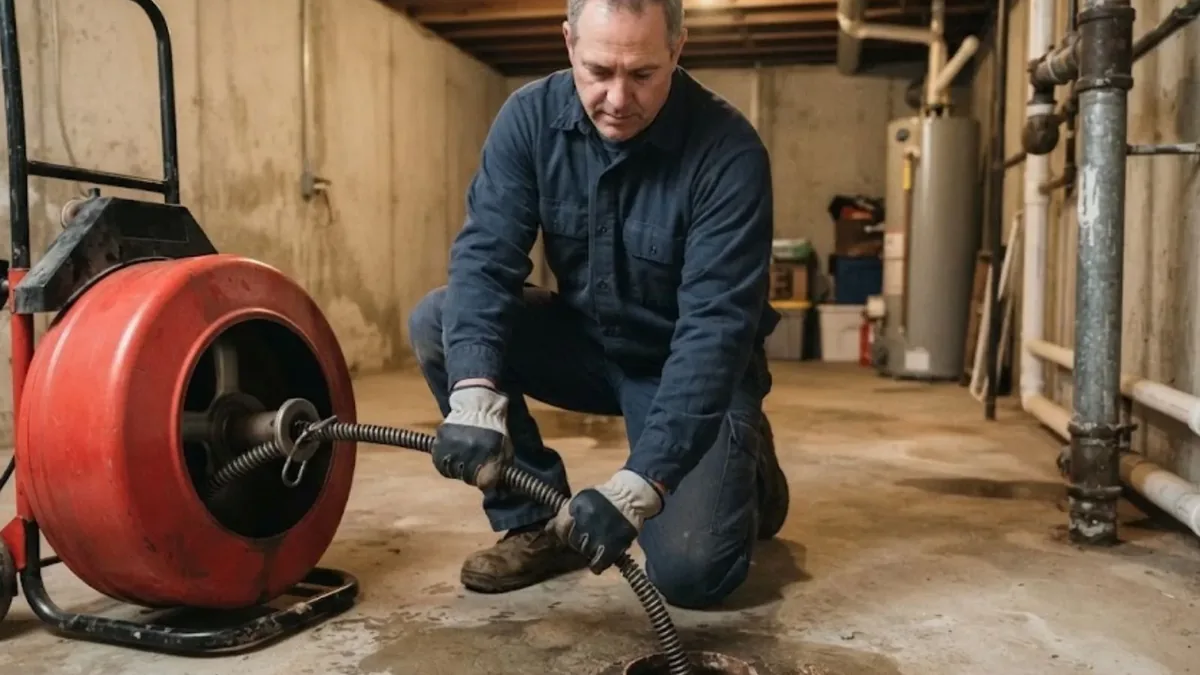
- Use a hand auger. Feed the cable gently, turn the handle and pull the blockage back out instead of pushing it deeper.
- Try an enzyme cleaner for slow drains only. These products work slowly on organic buildup and are a maintenance tool, not a fix for a hard blockage.
If acid or any drain chemical is already in the pipe
Do not plunge or run water hard into a drain that has chemical sitting in it, because that can splash it back at you. The 24/7 line is staffed through nights, weekends and holidays, and the dispatcher can tell you whether this needs a plumber now.
- Keep people back. Move children and pets out of the room and open a window for fresh air.
- Protect yourself. If it touches your skin, rinse with plenty of running water for at least 15 minutes. If it reaches your eyes, rinse and get medical help right away.
- Call for help. For serious burns or breathing trouble, call 911. Poison Control is also available at 1-800-222-1222.
- Tell the plumber. Name the product, how much went in and how long ago, so the plumber can wear the right gear and avoid contact.
Do not mix anything else into the drain to neutralize it. That can make the situation worse.
When the clog is not in your house at all
Municipal sewer events
The township sewer system has had main failures. In January 2016 a sewer main break caused a spill in the Ramblewood section. In May 2016 a force main leaked on Hartford Road between Route 38 and Union Mill Road, and residents with backups were asked to call the utilities authority.
When a municipal main fails, the lowest drain in a house is often where sewage shows up first. Acid poured into that drain would do nothing about the real blockage and would only add a hazard. If several drains back up together, stop and call, and report a suspected main problem to the sewer authority.
When to stop and call a plumber
Call for help when the clog returns within days, when a toilet and a sink back up together, or when you hear gurgling in nearby drains. Those signs point to the main line, and drain cleaning with a cable machine is the standard next step. If a camera shows heavy grease or roots, hydro jetting can scour the pipe wall better than a cable alone.
Honest note on trade-offs. Jetting is the wrong tool for a collapsed or cracked pipe, and a camera can show that before water pressure makes it worse. For a long run that serves several bathrooms, sewer line cleaning reaches farther than anything you can do from a sink.
Households in Cherry Hill and Evesham call the same dispatch line for the same reasons.
Drain cleaner questions we hear about acid
Professional use under controlled conditions is a different matter. For a homeowner with an unknown pipe material, the burn risk and pipe damage make it a poor choice. A plunger or auger is safer.
Yes. Heat from the reaction can soften plastic fittings, and acid can corrode metal. Standing liquid in a blocked drain makes the exposure longer.
Do not add water or another product. Ventilate the room, keep people away and call a plumber, telling them what product you used.
For slow drains and maintenance, they are gentler. They will not clear a hard blockage, so a stubborn clog still needs an auger or a plumber.
No. Several backups at once can point to a municipal sewer issue, as happened in the Ramblewood section in January 2016. Call a plumber and the sewer authority instead of pouring anything in.